
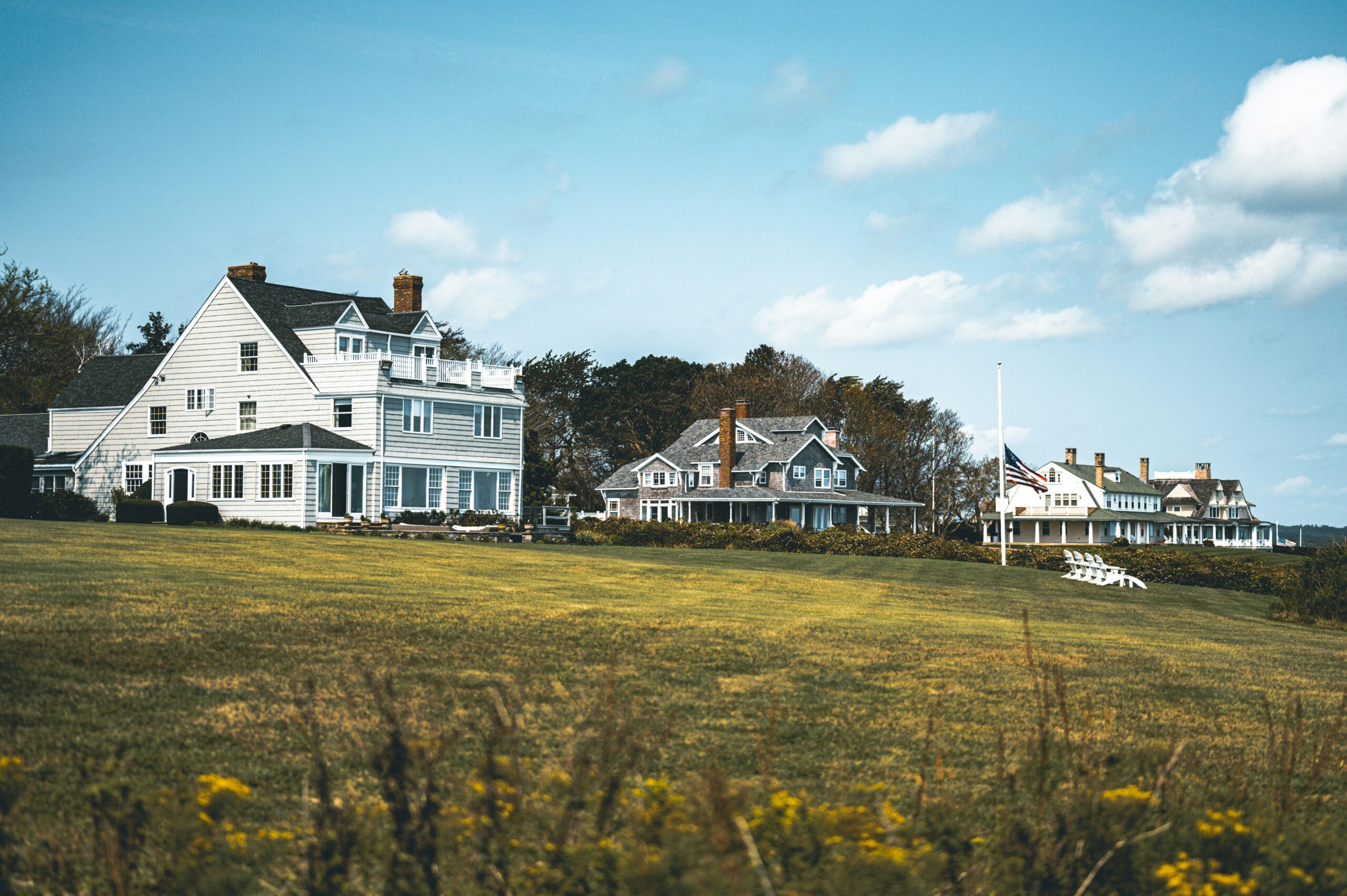
Rhode Island is a small state with outsized fix and flip potential. Providence, Warwick, Pawtucket, and historic coastal towns offer older 1–4 unit housing stock in walkable neighborhoods with tight inventory and strong buyer and rental demand for well-renovated properties. The opportunity is real and consistently underappreciated by investors who overlook New England’s smallest state.
The trade-off is a mandatory statewide contractor registration regime, a permit culture that expects approvals for most structural and system work, and hard money programs that offer high loan-to-cost leverage while capping total exposure at 75 percent of ARV. Here’s what to understand before you start.
Key Things to Know Before You Start
All contractors and subcontractors must register with the state — including handymen. Rhode Island General Laws require anyone doing residential or commercial construction work to register with the Contractors’ Registration and Licensing Board. The definition is broad: individuals and businesses working in construction, all subcontractors, those performing remodeling, alterations, or repairs including handyman work, and anyone who performs, offers to perform, bids on, or coordinates construction work. There’s no meaningful carve-out for small jobs or informal arrangements — if you’re doing construction work for compensation, registration is required.
Registration requires pre-education, insurance, and business registration. First-time residential applicants must complete a state-approved five-hour pre-registration course before applying. The application process includes a $150 registration fee, a $500,000 certificate of liability insurance naming the RICRLB as certificate holder, and — for contractors with employees — a workers’ compensation certificate. LLCs, corporations, and other entities must also be registered with the Rhode Island Secretary of State and include their Business Identification Number with the application.
Certain trades require separate licenses on top of registration. Registration covers most contractors and subcontractors broadly, but plumbing, electrical, mechanical, HVAC, and underground utility trades must also hold licenses through the Department of Labor and Training. For investors, that means two separate verification steps for specialty trade contractors — RICRLB registration and the appropriate trade license — with the most important being electricians and plumbers.
Rhode Island’s Rehab Code eases technical requirements for older buildings — it doesn’t eliminate permits. The Rehabilitation Building and Fire Code is designed to encourage the reuse of existing buildings by allowing repairs, renovations, alterations, and changes of occupancy without requiring full new-construction code compliance. It applies to buildings at least ten years old and, for certain historic provisions, to buildings certified as historic with appropriate fire alarm systems. The Rehab Code modifies technical requirements — it doesn’t touch administrative ones. Permits and inspections still apply. Investors who treat it as a permitting shortcut are misreading its purpose.
Most structural, system, and exterior work requires building permits. Under the Rhode Island State Building Code, permits are required for new construction, additions, alterations and renovations to existing structures, electrical and plumbing and mechanical installations, structural work including roof replacements and load-bearing wall modifications and foundation work, decks and porches, accessory structures, and demolition. Structural modifications, electrical panel upgrades, major plumbing and mechanical work, and most additions are all in permit territory. Cosmetic work may be exempt — but most meaningful rehab scopes aren’t.
Rhode Island’s 39 municipalities each run their own permit process. There’s no single statewide building department. Each municipality has its own fees, timelines, and processes, and investors should confirm requirements with each target city or town rather than assuming uniformity across the state.
Hard money programs offer high LTC leverage capped at 75 percent of ARV. Rhode Island fix and flip programs commonly finance up to 90 percent of purchase price and 100 percent of renovation costs, with a maximum loan-to-ARV of 75 percent. Loan amounts typically range from $25,000 to $2 million with minimum ARVs around $100,000. Some programs advertise 100 percent financing for strong deals — those scenarios depend on ARV, projected profit, borrower profile, and exit strategy, and the 75 percent LTARV constraint governs total exposure regardless of headline marketing.
Permits, Inspections, and Timelines
Building permits in Rhode Island are issued by local building departments under the state building code. The scope of permit-required work is broad — new construction, additions, alterations, renovations, electrical and plumbing and mechanical work, structural modifications, decks, accessory structures, and demolitions all require permits before work begins. Trade permits for electrical, plumbing, and mechanical work are typically pulled separately by licensed trades.
The standard process involves contacting the local building department to determine requirements, preparing plans and supporting documentation, submitting the application and paying fees that range from around $50 for minor work to thousands for major construction, undergoing plan review, and scheduling inspections. Inspection sequences cover foundation, framing and rough-in for electrical, plumbing, and mechanical, insulation, and final — with additional inspections for specific scopes. Projects using the Rehab Code still go through the full permit and inspection process.
Because each of Rhode Island’s 39 municipalities manages its own process, timelines range from days to weeks depending on project complexity and department workload. Investors who assume a uniform statewide timeline regularly encounter municipality-specific surprises. Confirming requirements and typical turnaround with each local building department before finalizing project schedules is the standard practice for experienced Rhode Island investors.
Partnering with a draw-friendly lender, like the ones found on Lenderly, ensures you have access to secure and timely remote virtual inspections, effectively eliminating many of these issues.
Working With Contractors
Rhode Island’s contractor registration system is centralized through the RICRLB, which makes verification straightforward. Before signing with any contractor, confirm active registration in good standing through the RICRLB. For specialty trades — particularly electricians and plumbers — confirm both RICRLB registration and the appropriate license from the Department of Labor and Training.
Make sure the contracting entity and registration information match what appears on permit applications. Mismatches between the registered entity and the permit holder create complications at inspections and at resale. Investors planning to act as GC under their own company need to build the five-hour pre-education course and insurance setup into their planning timeline before they’re under contract.
Structure contracts with clear scopes, timelines, and milestone-based payment schedules tied to passed inspections. In historic and Rehab Code projects specifically, detailed documentation of what was done, under what code path, and through what permit and inspection sequence provides meaningful protection when buyers and their lenders review the work.
Financing Your Project
Rhode Island is served by both regional and national hard money lenders. Standard program parameters include minimum loan amounts of $25,000, maximums of $2 million, minimum ARVs of $100,000, and terms of 12 to 24 months with no prepayment penalties and fast draw turnaround — often zero to two business days. Up to 90 percent of purchase price and 100 percent of renovation expenses are available for qualified borrowers, capped at 75 percent LTARV.
Borrower requirements are consistent across programs: LLC or corporation entity required, sufficient cash reserves to cover closing costs plus at least 25 percent of the rehab budget, and credit and experience thresholds that drive leverage tiers. More experienced investors with proven track records access higher advance rates. Asset-based underwriting focuses on ARV, scope, and local comparable sales rather than personal income.
The 100 percent financing scenarios some lenders advertise depend on deal-specific ARV, projected profit, and borrower risk metrics — they’re not a baseline offering. The 75 percent LTARV cap governs total exposure regardless of how programs are marketed, and deals need to work within that constraint. Investors planning long-term holds typically pair initial bridge or fix and flip financing with DSCR loans once properties are stabilized.
Common Mistakes to Avoid
Using unregistered contractors or subcontractors is the most consistent compliance mistake in Rhode Island. The RICRLB requirement applies broadly — to GCs, subs, and handymen alike — and enforcement affects permit approvals, lender confidence, and buyer due diligence. Ignoring the five-hour pre-education and $500,000 insurance requirements for investors planning to operate as their own GC is a closely related mistake that surfaces at the licensing stage rather than mid-project.
Treating the Rehab Code as a permit shortcut — assuming it allows work to proceed without building department approval on older properties — misreads its purpose entirely. It eases technical compliance requirements; it doesn’t change the administrative permit and inspection requirements that still apply.
Skipping permits on structural, system, or major rehab work is a consistent path to failed buyer inspections, appraisal complications, and difficulty closing. Over-leveraging based on 100 percent financing headlines without confirming that the 75 percent LTARV cap governs total exposure is a financing mistake that surfaces at underwriting when the actual loan size comes in below what the deal requires. And under-scoping rehab in Rhode Island’s older and historic housing stock — chasing cosmetics while deferring structural repairs, system upgrades, and life-safety improvements that significantly affect budget — hurts appraisals, inspections, and long-term performance in ways that experienced investors plan around from the start.
The Bottom Line
Rhode Island offers meaningful fix and flip opportunity in dense, walkable neighborhoods and historic areas that reward well-executed rehabs with strong buyer and rental demand. The mandatory contractor registration, clear permit expectations, and 75 percent ARV lending caps are all manageable — they just need to be understood and planned around rather than discovered mid-project.
Verify contractor registration and trade licenses with the RICRLB and the Department of Labor and Training before you commit, confirm each municipality’s specific permit process and timelines early in your underwriting, and size your scope, budget, and leverage to both the state’s older housing stock realities and lenders’ ARV constraints. With that approach, Rhode Island becomes a repeatable and rewarding market for prepared investors.