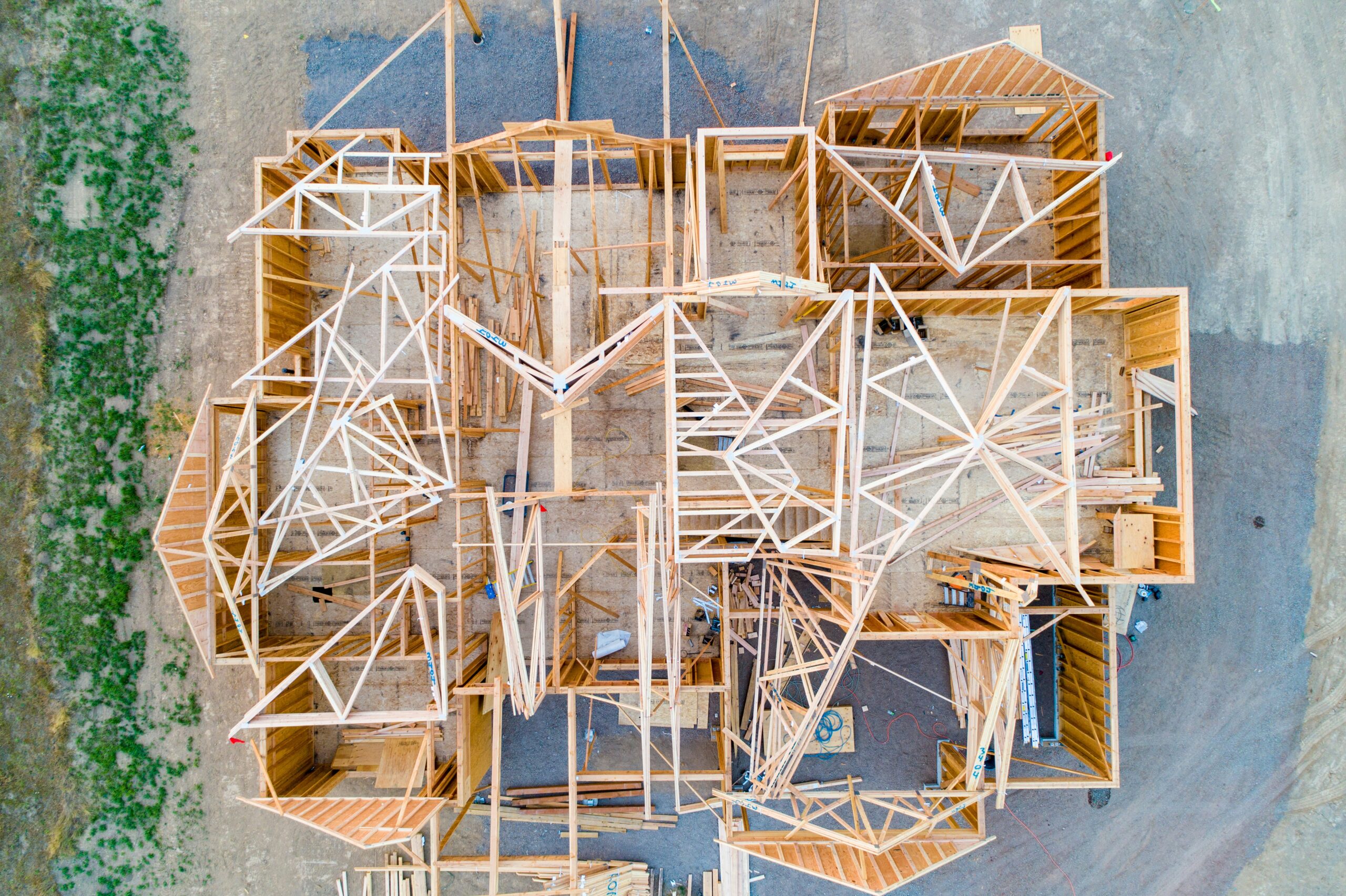

Arizona has been one of the more active fix and flip markets in the country for good reason. Strong population growth, steady in-migration, and a deep inventory of dated housing stock give investors consistent deal flow across Phoenix, Tucson, and fast-growing suburbs like Mesa, Gilbert, and Buckeye. The regulatory environment is relatively investor-friendly, but the climate, soil conditions, and patchwork of local rules create their own set of challenges.
Here’s what tends to trip up investors — and how to plan around it.
Key Things to Know Before You Start
Contractor licensing kicks in at relatively modest project sizes. Arizona requires most construction work above a fairly low dollar threshold to be performed by a licensed contractor, with different license classes covering residential versus commercial work. Many investors find it easier to hire a licensed GC than to coordinate multiple licensed trades themselves — the compliance burden adds up quickly.
The owner-builder path is narrow for investors. Property owners can sometimes act as their own contractor on a personal residence, but that flexibility shrinks considerably when you’re building for resale or running multiple projects. Investors who flip regularly are generally treated as conducting business activity and are expected to work with licensed GCs accordingly.
Permitting is city-driven, not state-driven. Phoenix, Scottsdale, Tucson, and other municipalities each run their own building departments, zoning rules, and plan review processes. A rehab that’s straightforward in one suburb may require more detailed plans or different inspections in a neighboring city — even within the same metro area. Don’t assume consistency.
The heat will shape your rehab budget whether you plan for it or not. Roofs, HVAC systems, insulation, attic ventilation, and exterior finishes all take a significant beating in Arizona’s climate. Investors regularly underestimate how quickly older HVAC units and flat roofs deteriorate here, and the cost of addressing deferred maintenance on those systems tends to be higher than expected.
Slab and soil issues are more common than they look. Expansive clay and poorly compacted fill in parts of the state cause slab cracking and settlement over time — symptoms that show up as uneven floors, drywall cracks, and doors that won’t close properly. What looks like a cosmetic problem at purchase can turn into a structural expense mid-renovation.
HOAs can be as influential as the city building department. A large share of Arizona’s housing stock sits in subdivisions and master-planned communities where homeowners’ associations control exterior changes — paint colors, materials, fencing, and more. Skipping HOA approval for exterior work can mean fines, forced reversals, and friction at resale.
Mechanics’ liens are a real closing-table risk. Unpaid contractors or suppliers can record liens that cloud title at the worst possible moment. Written contracts, progress-based payments, and lien waivers at each draw stage are standard practice for experienced investors — especially when hard money is involved.
Short-term rental rules vary more than state law implies. Arizona state law is generally permissive on STRs, but individual cities and HOAs have their own restrictions. If your exit strategy depends on short-term rental income, verify the local rules before you’re committed to the deal.
Permits, Inspections, and Timelines
Permitting in Arizona runs through city or county building departments, and the larger metros have made the process relatively accessible online for straightforward residential work. Where things get complicated is when investors start a project assuming it’s cosmetic-only, then add walls, windows, or significant electrical changes mid-renovation. Those additions trigger permits and inspections that weren’t in the original plan — and weren’t in the timeline or budget either.
Standard inspections happen at predictable milestones: slab or foundation work, framing, rough electrical, plumbing, and mechanical, and final. In the spring and early summer, inspection calendars in busy markets can back up enough to add a week or more at each stage. Smaller towns often move faster but may only have inspectors on-site certain days, so the coordination still matters.
The most common timeline killers are utility work — panel upgrades, new service drops, gas meter changes — and HOA approvals for exterior changes. Both tend to move on their own schedules, independent of your interior trades. Experienced investors start those conversations as early as possible to avoid a situation where the inside of the house is done and you’re waiting on a meter or an HOA committee meeting to close out the loan.
Working With Contractors
Arizona has an active contracting market, and licensing, bonding, and complaint records are taken seriously by the state regulator. Most investors working on flips use a licensed GC or at minimum bring in licensed trades for electrical, plumbing, and HVAC — even when managing some of the cosmetic work themselves.
A few practices that experienced investors follow: check license status, bond, and complaint history before signing anything; get written, line-item bids that specify HVAC capacity, roofing type, insulation levels, and window specs rather than just describing the work generally; and schedule in-demand trades like roofers and HVAC contractors well ahead of peak summer heat, when their calendars fill up fast.
Common Mistakes to Avoid
Underestimating HVAC and roof costs is probably the most consistent budget buster in this market. Systems that are merely aging in cooler climates can be functionally obsolete in Arizona’s heat, and buyers and their inspectors know it. Dismissing slab cracks as cosmetic is a close second — that assumption has a way of becoming very expensive by the time you’re mid-demo.
Starting structural changes without confirming permit requirements is another recurring issue. Opening up a wall or adding a large window can trigger engineering review and plan submission that delays both inspections and draws. The time lost is usually far more costly than the permit itself.
On the finish side, over-improving the subdivision is a real risk in Arizona’s tract neighborhoods. Ultra-high-end finishes in a mid-range community rarely generate enough resale premium to justify the cost. And skipping HOA approval for exterior changes — paint, fencing, front elevation work — tends to surface at the worst time, right when you’re trying to close.
The Bottom Line
Arizona’s demand fundamentals are strong, and the deal flow is real. But the heat, soil conditions, and layered local rules mean that details matter here more than in markets where the environment is more forgiving. Investors who budget realistically for roofs and mechanicals, take permitting and HOA processes seriously, and build relationships with experienced local contractors and agents are the ones who keep projects on schedule and on budget.
Use this as a starting point, but do the work to understand the specific city and submarket you’re targeting. The nuances between Phoenix proper, a Scottsdale HOA community, and a rural Pinal County property are significant enough to matter to your bottom line.