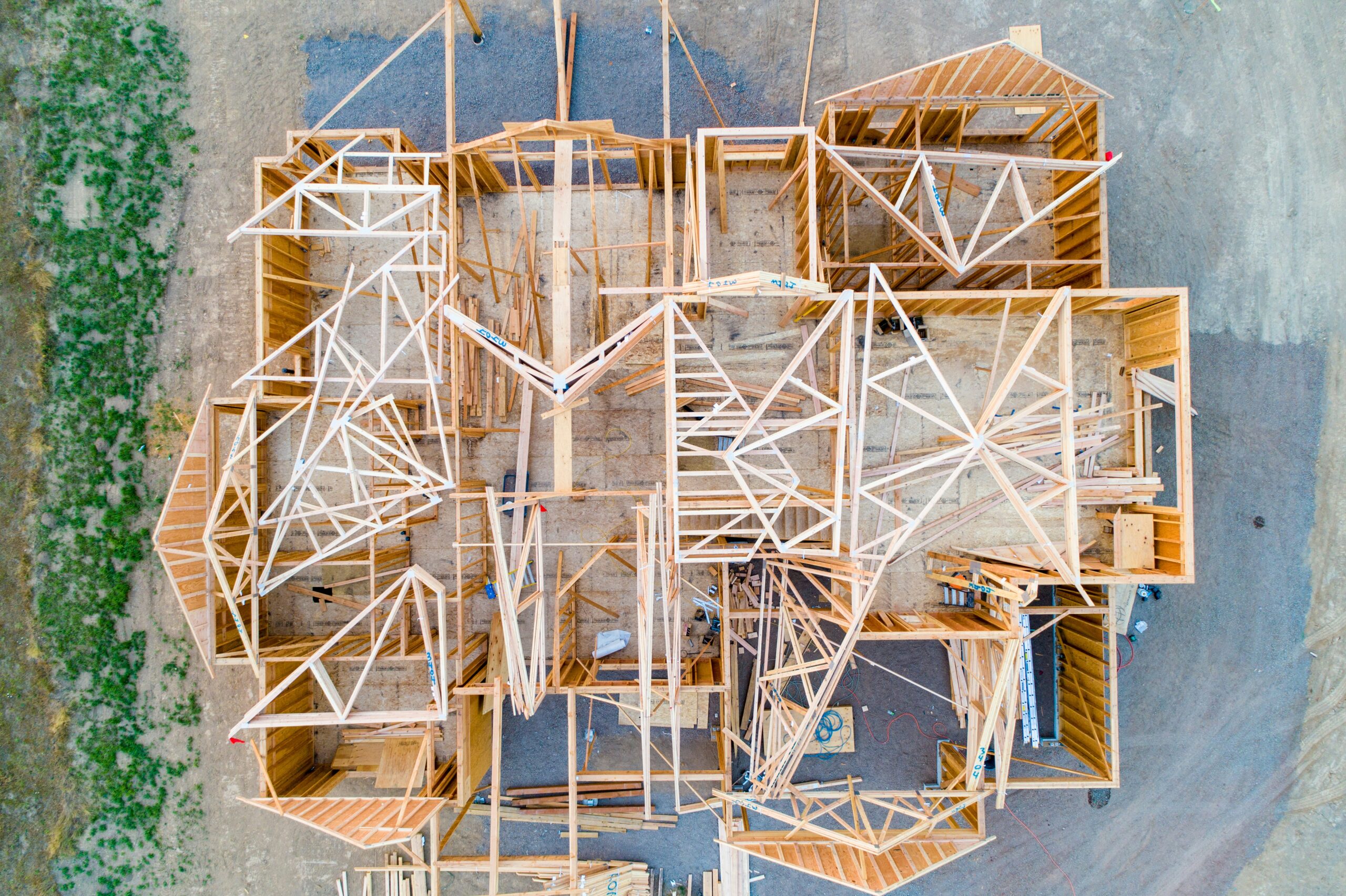

Arkansas doesn’t get as much attention as flashier fix and flip markets, but that’s part of the appeal. Affordable entry points, steady rental demand, and a less crowded investor landscape make metro areas like Little Rock, the Fayetteville/Springdale/Rogers corridor, Fort Smith, and Jonesboro worth a serious look — whether you’re targeting cosmetic rehabs or teardown-and-rebuild infill deals.
That said, Arkansas has its own set of quirks that catch out-of-state investors off guard. Here’s what you need to know before you start.
Key Things to Know Before You Start
GC licensing is tied to project size and scope. Arkansas generally requires a contractor’s license above certain project values or when you’re holding yourself out to the public as a contractor. Investors doing multiple flips or larger rehabs typically work with a licensed GC — especially when structural, mechanical, or significant addition work is involved. Smaller self-managed jobs are possible, but code and permit requirements still apply regardless of who’s doing the work.
Rules vary significantly by city and county. Little Rock, Fayetteville, and other larger cities have organized building departments, zoning rules, and plan review processes. Smaller towns and rural counties operate with fewer layers of oversight — but less formality isn’t the same as no rules. Skipped permits can still create problems when you go to sell or refinance.
Moisture and weather deserve more respect than most out-of-state investors give them. Arkansas has a humid climate with heavy rainfall, severe thunderstorms, and tornado risk during certain seasons. Roof condition, drainage, grading, and moisture management in crawlspaces and subfloors can make or break a rehab budget. Investors accustomed to drier climates often get humbled here.
Crawlspaces and foundations are where surprises live. A significant portion of older Arkansas homes sit on pier-and-beam foundations or vented crawlspaces. Wood rot, sagging joists, and insufficient structural supports are common and easy to miss on a surface-level walkthrough. What looks like a cosmetic flip can turn structural quickly if you don’t inspect thoroughly before closing.
Floodplains are more common than they appear. Properties near rivers, creeks, or bottomland may flood rarely — but lenders, appraisers, and buyers will factor flood risk and required insurance into their calculus. Even a low-risk designation can affect financing and resale more than investors expect.
Title and lien issues surface more often in small, older markets. Long-held family properties, informal work arrangements, and handshake contractor deals can result in unclear titles or unpaid claims that appear at closing. A good real estate attorney or title company, clean invoices, and signed lien waivers at each draw are standard protection here.
Lending is more relationship-driven than in larger markets. Hard money and private financing exist in Arkansas, but the networks are smaller and more local. Building a track record with one or two lenders and consistently delivering on your timelines matters more here than in large, anonymous markets where capital is abundant and impersonal.
Permits, Inspections, and Timelines
Permitting is handled at the city level for incorporated areas and by the county for unincorporated ones. In the major metros, permits are typically required for structural, electrical, plumbing, mechanical, and significant additions. Purely cosmetic work — paint, flooring, cabinets — usually doesn’t require a permit, but that line gets crossed more often than investors plan for. Moving a wall, relocating a bathroom, or upgrading an electrical panel all trigger the permitting process, and those decisions often happen mid-project rather than at the planning stage.
Inspections follow standard milestones: foundation, framing, rough-in for mechanicals, and final. In busier jurisdictions or during peak building seasons, getting an inspection slot can take several days to a week. Smaller towns may respond faster but only have inspectors available certain days — which still requires planning trades around the schedule rather than assuming immediate availability. Partnering with a draw-friendly lender, like the ones found on Lenderly, ensures you have access to secure and timely remote virtual inspections, making this issue nonexistent.
The most common timeline problems involve utilities. Upgrading electrical service or coordinating with power and gas providers routinely takes longer than anticipated, and re-inspections after corrections add another layer of delay. When those delays stack up, they cascade into missed draw milestones and extra interest on short-term loans.
Working With Contractors
Contractor licensing requirements apply to most residential work above certain dollar thresholds, and electrical, plumbing, and HVAC trades are typically licensed separately. Handyman-type operators willing to take on broad scopes of work aren’t hard to find in Arkansas, but using unlicensed labor for major systems leads to predictable problems: failed inspections, insurance complications, and nervous buyers or appraisers at resale.
Experienced investors verify that GCs and key trades hold the right licenses and insurance for their specific scope of work. They get written bids tied directly to the rehab scope — especially for roof, foundation, mechanicals, and drainage — and use clear contracts that define timeline, change-order process, and payment schedule. Larger draws get released after progress inspections, not before.
One thing that works particularly well in Arkansas: asking local agents, investors, and property managers for contractor referrals. In relationship-driven markets, word-of-mouth leads to better results than a generic online search, and reputation travels fast in smaller communities.
Financing Your Project
Arkansas hard money and private lenders evaluate deals on ARV, purchase price, rehab budget, and borrower experience. Because sale volumes and price points tend to be lower than in major coastal markets, lenders here often focus more on spread — your actual profit margin — and realistic days on market than on hitting a particular loan size.
Draws are released as work is completed, and lenders look closely at whether roof, foundation, and mechanical upgrades are properly budgeted. Those are the line items that consistently blow up in older Arkansas housing stock, and experienced lenders know it.
In smaller towns and rural areas, lenders may discount ARV assumptions and require more conservative resale pricing and longer projected timelines. The flip side is that established local borrowers with a proven track record can often negotiate more flexible terms than first-timers coming in cold.
Common Mistakes to Avoid
The most expensive assumption in Arkansas is treating a project as purely cosmetic without thoroughly investigating the foundation, crawlspace, and moisture situation first. Mid-project structural surprises are common enough here to be a recurring theme — the kind of thing experienced local investors budget for as a matter of course.
Skipping flood and drainage checks is a related issue. Yard grading, water flow, and flood zone status are worth verifying early, before your rehab budget is locked in. Unexpected drainage work or insurance requirements have a way of appearing late in the process.
Using unlicensed trades for mechanical systems, underestimating permit and inspection timelines, and over-improving in low-price neighborhoods are all consistent budget and schedule risks. And in a relationship-driven market where handshake deals feel natural, the absence of written agreements and lien waivers creates outsized risk when something goes wrong — and eventually, something always does.
The Bottom Line
Arkansas is a genuinely appealing market for fix and flip and small residential projects: affordable, stable, and less picked over than higher-profile states. The investors who do well here tend to be the ones who respect the foundation and moisture realities, understand how permitting works in their specific city or county, and invest in local relationships with lenders, contractors, and agents.
Do the work to understand the specific market you’re targeting before you commit capital. Arkansas projects can become a reliable, repeatable part of a portfolio — but they reward preparation and local knowledge more than most markets do.