
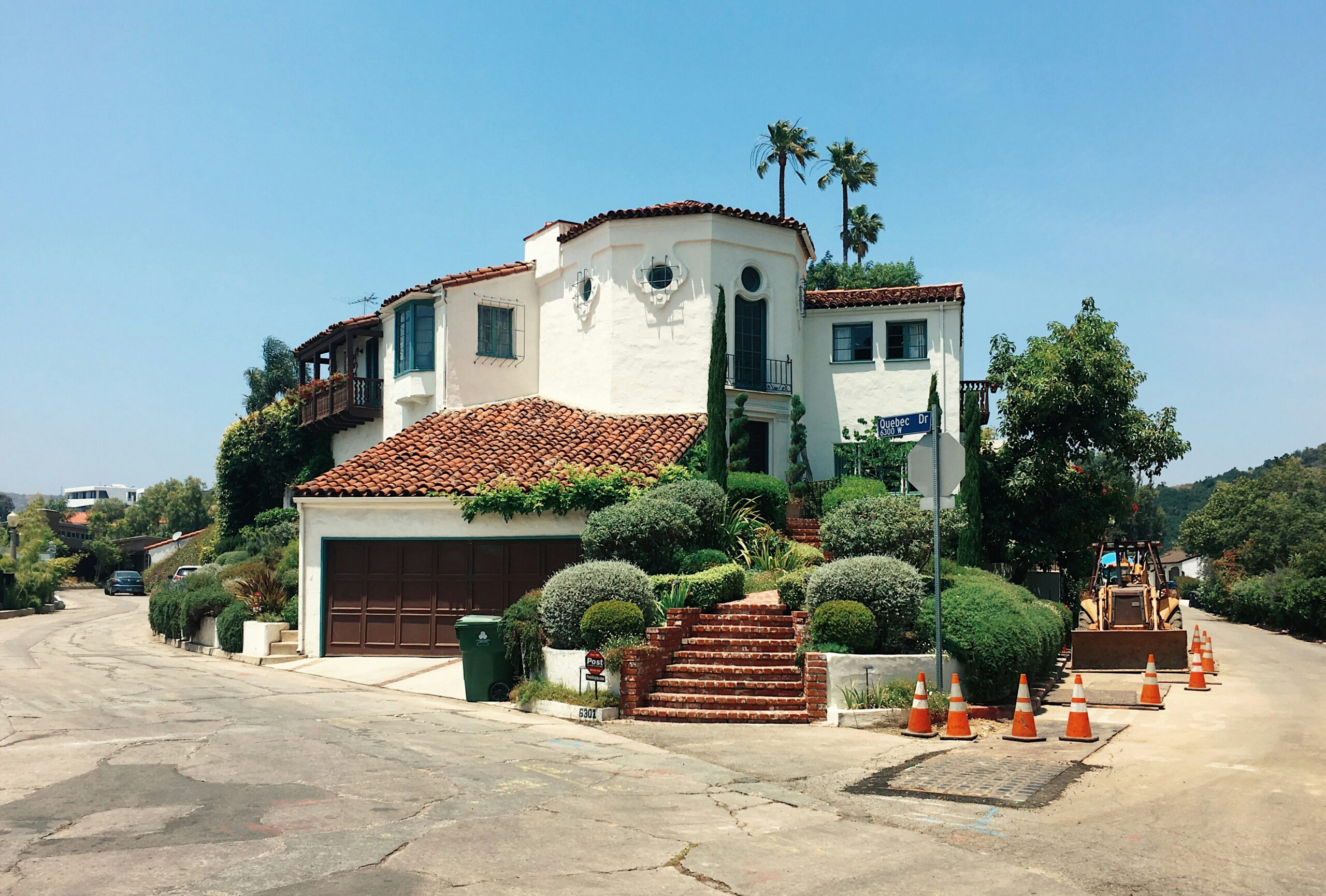
California is one of the most active fix and flip markets in the country, and one of the most unforgiving. High prices, persistent housing shortages, and strong demand create real upside for well-executed projects across Los Angeles, the Bay Area, San Diego, Sacramento, and dozens of inland cities. But the state is also heavily regulated, highly localized, and expensive to operate in. Investors who come in underprepared tend to find out quickly.
Here’s what experienced investors wish they’d known before their first California project.
Key Things to Know Before You Start
Contractor licensing is strict and actively enforced. Most construction work above a relatively low dollar threshold must be performed by a state-licensed contractor, with separate specialty licenses covering electrical, plumbing, HVAC, roofing, and other trades. Self-GC’ing a structural or large-scale project is rarely realistic for investors here — working with licensed, insured professionals isn’t optional, it’s the baseline.
Local jurisdictions make their own rules. California has statewide codes and energy standards, but each city and county controls its own permitting process, zoning, plan check requirements, and enforcement style. A rehab that moves smoothly in one city can be significantly slower and more demanding just a few miles away. Never assume consistency across jurisdictions.
Seismic and fire requirements add real cost. Older housing in many areas requires seismic retrofitting; cripple wall bracing, foundation bolting, soft-story corrections, and fire-related requirements affect design and budget in wildland-urban interface areas and beyond. These aren’t optional line items you can defer to the buyer.
California’s energy standards are in a different league. Title 24 requirements affect windows, insulation, mechanical systems, and sometimes lighting and solar. Even a relatively modest remodel can trigger energy upgrades that investors from other states have no frame of reference for. Budget accordingly.
ADUs offer real upside — but require real homework. State law encourages accessory dwelling units, and the ability to add one can significantly boost a project’s returns. But each jurisdiction has its own implementation rules, fees, and processing timelines. The opportunity is real; so is the complexity.
Tenant protections can stop a flip in its tracks. In many California cities, existing tenants have significant legal protections. Local and statewide rent caps and just-cause eviction rules can make it extremely difficult, and slow, to vacate, renovate, or reposition an occupied property. Buying without fully understanding those protections can turn a flip into a months-long holding situation.
Contractors know how to use lien law. Labor and materials are expensive here, and contractors and subcontractors are generally proactive about recording preliminary notices and liens when disputes arise. Written contracts, clear invoicing, and conditional and unconditional lien waivers at each draw stage are standard practice — not precautions for unusual situations.
HOAs and design review boards have real authority. In planned communities and certain neighborhoods, architectural review committees control exterior changes, materials, colors, windows, and doors. Skipping those approvals leads to fines and forced re-work, not just a warning.
Permits, Inspections, and Timelines
Permitting in California is more involved, and slower, than in most other states. Building permits run through cities and counties, but planning, zoning, public works, and sometimes environmental review can all be part of the process depending on the scope of work. Interior remodels that involve structural changes, major systems, or alterations to egress and fire safety can trigger multiple layers of review that have nothing to do with how “simple” the project looks from the outside.
Plan check timelines vary dramatically. Some jurisdictions process small residential projects in a few weeks; others take months, particularly for additions, ADUs, or projects requiring variances. Multiple rounds of corrections from plan reviewers are common, and each round adds time. Investors who budget for a quick approval and get three rounds of comments tend to learn this lesson expensively.
Inspections hit the standard milestones — foundation, framing, rough mechanical, electrical, plumbing, and final — plus separate visits for things like shear walls, fire blocking, and energy compliance details. In busy markets, inspection calendars back up, which means coordinating trades around inspector availability rather than your preferred schedule. These delays have a direct and compounding effect on interest costs and draw timing. You must make sure to partner with a draw-friendly lender, like the ones found on Lenderly, for timely and secure virtual inspections.
Financing Your Project
California’s high property values have produced a very active hard money and private lending ecosystem. Because ARVs can be large, even conservative leverage produces significant loan amounts, which means underwriting tends to be detailed and thorough. Lenders evaluate purchase price, rehab scope, after-repair value, borrower experience, and submarket conditions with more scrutiny than you might encounter in lower-price markets.
Rehab funds are released in draws after inspections, and lenders commonly scrutinize whether your budget covers seismic work, energy upgrades, and permit and impact fees; not just finish work. Underestimated soft costs are a recurring issue: design fees, plan check fees, school and impact fees, and required consultants like engineers and energy modelers can materially change your deal math if you haven’t accounted for them.
In some submarkets, lenders will haircut projected ARVs or require stronger reserves if your exit price is near the top of recent comps or if the permitting path looks complicated. For ADU and small development plays, showing preliminary approvals and clear agency communications can meaningfully improve both your terms and the speed of funding.
Common Mistakes to Avoid
Assuming a cosmetic remodel stays cosmetic is the most common and costly mistake in California. Once walls are open, structural, seismic, and energy requirements can surface in ways that significantly change the scope and cost. Expecting quick permitting approvals is a close second — holding costs and blown loan terms from underestimated plan check timelines are a recurring theme.
Buying occupied properties without a clear, legally sound plan to gain possession is a serious risk in many California cities. Tenant protections aren’t formalities; they can lock up a project indefinitely if you haven’t thought through the path to possession before you close.
Skipping HOA or design review approvals for exterior work, misjudging soft costs and impact fees, and over-improving for the specific micro-market are all consistent ways to see a deal’s returns erode. High-end finishes in neighborhoods where buyers are payment-sensitive look impressive and don’t always pencil out.
The Bottom Line
California can produce some of the largest returns in fix and flip real estate, and it can just as easily punish shallow due diligence, unrealistic budgets, and casual attitudes toward permitting. The investors who do well here tend to have deep local knowledge, experienced teams, and a genuine respect for how much the regulatory environment affects timelines and costs.
Build a team — contractors, designers, agents, lenders — who understand the nuances of your specific city or county. Treat this as a starting framework and invest the time to understand what’s different about your exact market. With careful planning and realistic assumptions, California can be a challenging but genuinely rewarding part of your investing strategy.