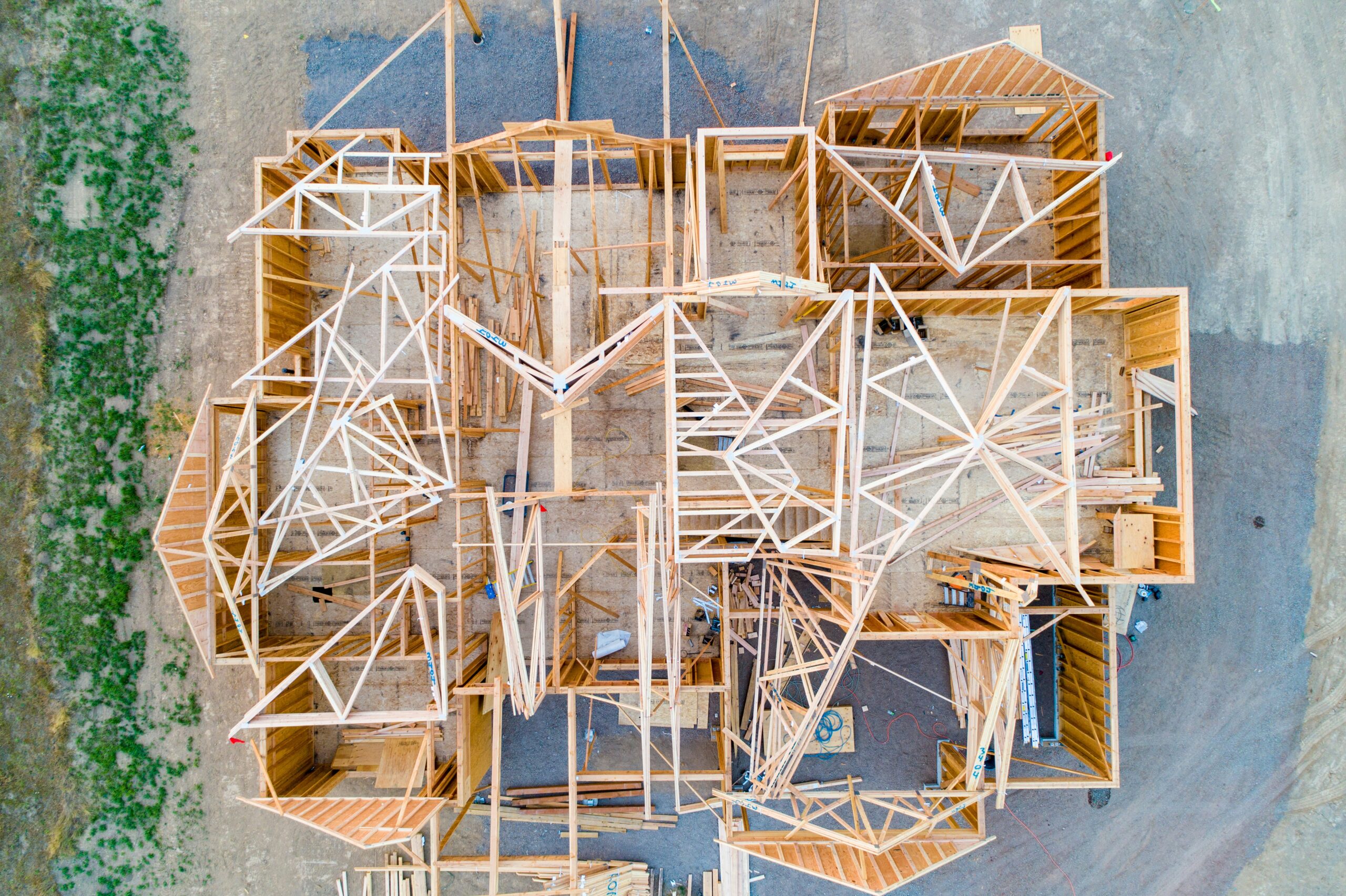
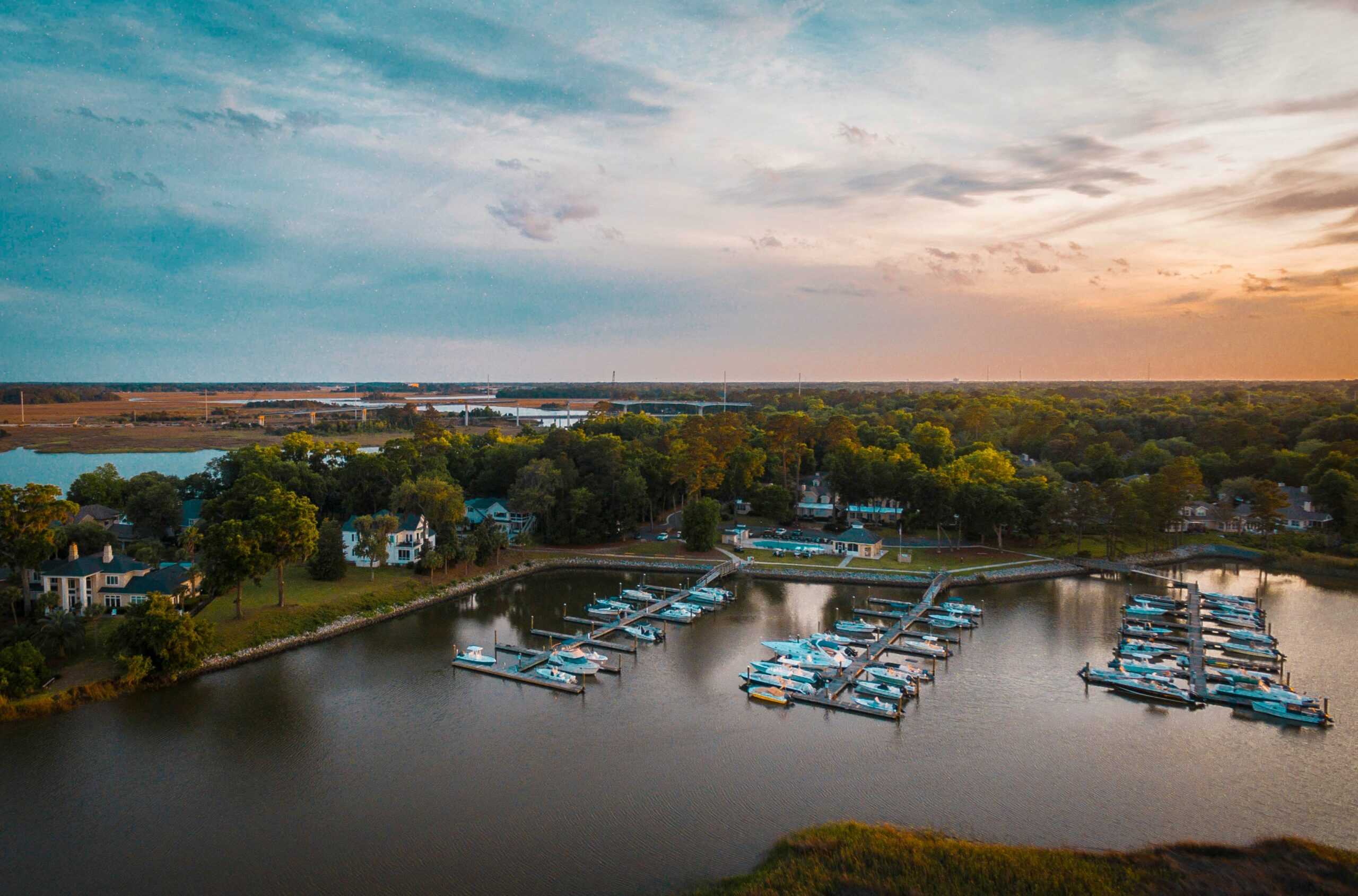
Georgia has earned its reputation as one of the stronger fix and flip markets in the Southeast. Atlanta’s continued expansion, Savannah’s growth, Augusta’s steady demand, and a wave of fast-growing suburbs offer affordable entry points, solid job growth, and consistent buyer and renter demand across 1–4 unit properties. The fundamentals are genuinely attractive.
But red clay soils, humidity, permitting variations across a large and diverse state, and a few local code quirks create real surprises for investors who aren’t prepared. Here’s what to know before you commit.
Key Things to Know Before You Start
Residential contractor licensing kicks in at a relatively modest project size. Georgia requires a state residential-basic license for projects over $2,500 when contracting with the public. Many investors self-manage smaller cosmetic flips, but for structural work, additions, or anything requiring permits, working with a licensed GC keeps inspections smooth and avoids complications that tend to surface at the worst possible time.
Permitting and enforcement vary significantly across the state. Atlanta and the larger metros have organized building departments with online systems. Suburbs like Alpharetta and Marietta add their own layers on top. Rural counties tend to be lighter-touch — but skipped permits still haunt resale and financing down the line, regardless of how informal the local environment feels.
Red clay soils and drainage problems are chronic budget threats. Georgia’s expansive clay shrinks and swells with moisture changes, cracking slabs and pier-and-beam foundations over time. Poor yard grading and inadequate gutter systems compound the problem in basements and crawlspaces. These issues are among the most common mid-rehab budget killers in the state, and they’re often not visible until work is already underway.
Humidity accelerates roof failure, wood rot, and mold. Heavy rains, high humidity, and summer storms take a real toll on older housing stock. Investors regularly underbudget for roof replacement, ventilation upgrades, and moisture barriers — and then encounter the consequences mid-project rather than in the original scope.
Termite damage hides in most pre-1980s wood-framed homes. Slab-on-grade and crawlspace construction throughout Georgia frequently has hidden termite damage in floors, walls, and subfloors. Catching it early via a proper inspection is far less expensive than discovering it after demo has already started.
HOAs control a significant share of suburban rehabs. Atlanta metro neighborhoods and newer developments enforce architectural guidelines on paint, roofing, siding, and landscaping with real authority. Unapproved changes lead to fines and stop-work orders that stall projects and frustrate buyers.
Lien waivers are essential at every draw stage. Georgia’s mechanics lien laws have prompt notice requirements, and subcontractors file aggressively when payments are in dispute. Collecting sworn waivers at each payment keeps title clean and closings on track.
Permits, Inspections, and Timelines
Permits in Georgia are handled at the city or county level. Structural changes, electrical, plumbing, HVAC, roofing, and additions all require permits. Cosmetic work generally doesn’t — but the line gets crossed more often than investors plan for. Atlanta-area jurisdictions are more likely to require full plan sets and engineered drawings than rural building departments, which adds time to the front end of projects.
Plan review typically runs one to four weeks, longer during peak construction seasons or after major storms. Inspections hit the standard milestones: slab and foundation, framing, rough mechanical and electrical and plumbing, insulation, and final. Re-inspections after corrections add days that compound quickly on a short-term loan. Partnering with a draw-friendly lender, like the ones found on Lenderly, ensures you have access to secure and timely remote virtual inspections.
The timeline surprises that hit investors hardest are utility reconnections — power panel upgrades and sewer taps especially — and exterior work delays during Georgia’s rainy season. Projects budgeted at 90 days routinely run to 120 or beyond. Building 15 to 20 percent schedule flexibility into your loan term assumptions isn’t padding — it’s realistic planning for summer thunderstorm season, which cascades across every exterior trade simultaneously.
Working With Contractors
Georgia contractors need state licenses for residential work above certain thresholds, plus local business licenses. Electrical, plumbing, and HVAC trades are licensed separately at the state level.
Experienced investors verify license and insurance status through the Georgia Secretary of State’s site before signing anything. They get line-item bids that specifically address foundation drainage, termite barriers, roof pitch and materials, and mold remediation — not just a general description of the rehab. Contracts tie milestone payments to inspections rather than calendar dates, and referrals from local REIAs consistently outperform national platforms for finding reliable crews in Atlanta’s market.
Scheduling roofers and foundation crews early is important. Clay soil work books fast during wet seasons, and waiting until you need them to start looking means waiting longer than your loan timeline allows.
Financing Your Project
Hard money lending is active and competitive in Atlanta and secondary Georgia markets. Lenders focus on ARV supported by MLS comps, borrower track record, and the realism of the rehab scope — with particular attention to foundation and soil risks and roof age, which are the line items most likely to blow up in humid markets. Typical leverage runs 70 to 80 percent of ARV or 85 to 90 percent of total project cost, with draws released after inspections.
Weak drainage plans, unaddressed termite history, and overly optimistic timelines are the underwriting flags that come up most often. Atlanta suburbs tend to get favorable terms given strong resale demand; rural deals face more conservative ARV assumptions. Detailed termite bonds and engineering reports on soil conditions can meaningfully smooth the funding process.
Common Mistakes to Avoid
Ignoring red clay soil and drainage is the most consistent budget buster in Georgia. Slab cracks and wet crawlspaces demand fixes that eat contingency fast, and neither problem announces itself clearly before you’ve committed to the deal. Underbudgeting roofs and mold remediation in a humid climate is a close second — a leaking roof combined with poor ventilation can turn a straightforward rehab into a cascading demo-and-repair situation.
Skipping termite inspections before demo starts is a risk that experienced Georgia investors simply don’t take. Assuming permitting works the same way statewide leads to timeline surprises that are entirely avoidable with a quick conversation with the local building department before you close. Missing HOA approval for exterior work surfaces at resale in ways that are hard to undo. And planning a tight timeline without accounting for rain delays — in a state where summer thunderstorms hit regularly and affect every exterior trade in sequence — is one of the more predictable ways for a project to run over on both time and interest costs.
The Bottom Line
Georgia’s growth trajectory, affordable entry points, and housing demand make it one of the more compelling fix and flip markets in the country. But clay soils, humidity, and local permitting variation reward investors who plan carefully and budget honestly. The ones who do well here tend to pad budgets by 15 to 20 percent, prioritize drainage, termites, and roofing in their scopes, and lock in lender and contractor relationships before they need them urgently.
Research your specific county’s codes, connect with Atlanta-area REIAs, and verify soil conditions and HOA requirements before you finalize your numbers. With realistic timelines and scopes built around Georgia’s actual conditions, the market offers consistent, repeatable returns for investors who approach it prepared.