
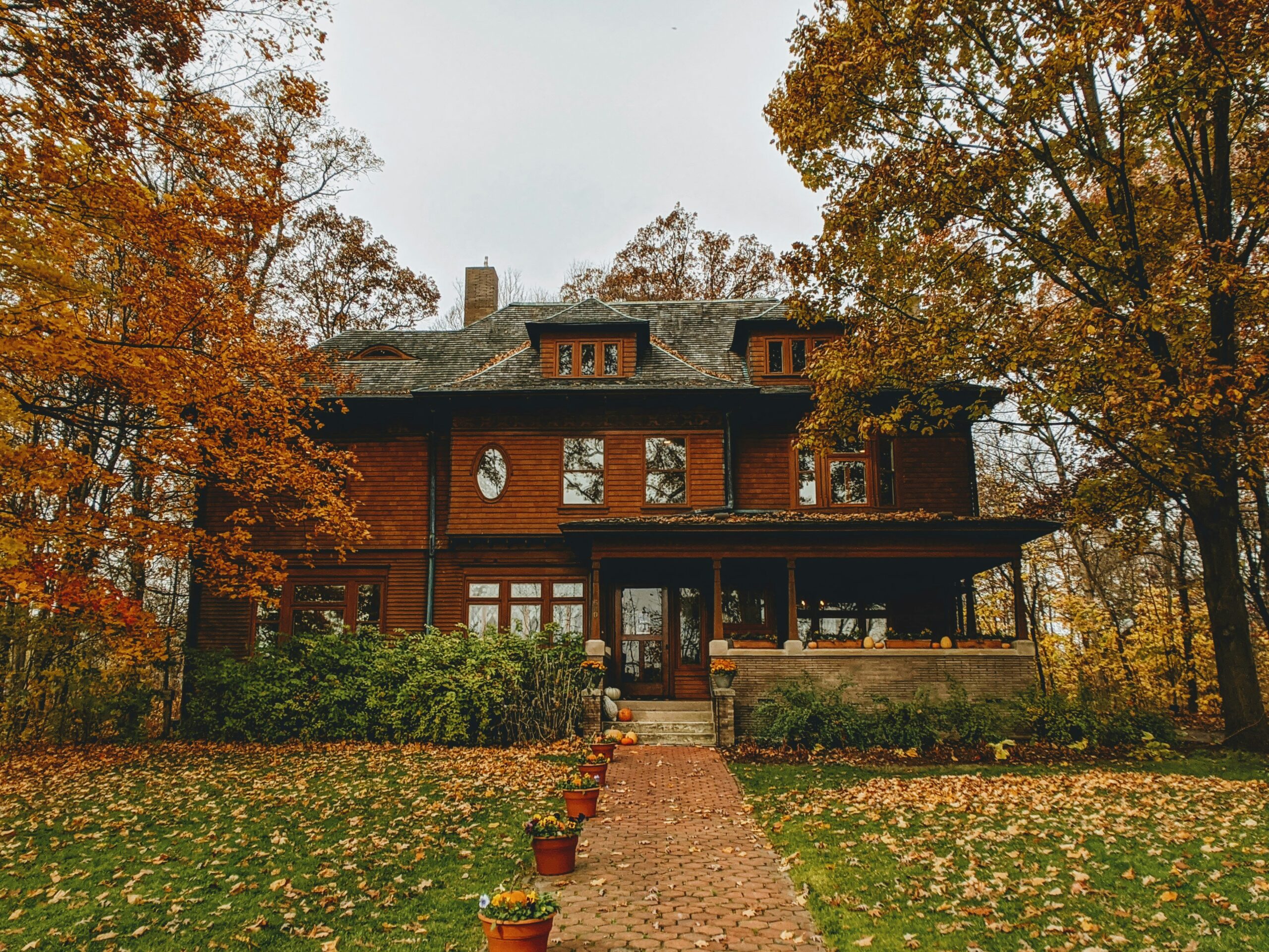
Indiana doesn’t always make the top of investors’ radar, but the fundamentals are solid. Affordable housing, steady Midwest demand, and growth across Indianapolis, Fort Wayne, Evansville, and South Bend create consistent opportunities for 1–4 unit rehabs. The state’s older housing stock, manufacturing revival, and rental market strength give investors multiple viable exit strategies across a range of price points.
Clay soils, harsh winters, and city-by-city permitting create their share of surprises for out-of-state borrowers. Here’s what to understand before you commit.
Key Things to Know Before You Start
Contractor licensing kicks in at a moderate project threshold. Indiana requires residential contractor licenses for projects over $45,000, with lighter requirements below that. Many investors self-manage smaller cosmetic work but bring in licensed GCs for structural, MEP, or permitted jobs — it keeps inspections clean and avoids complications that surface at resale.
Rules vary considerably between cities and counties. Indianapolis and Marion County have structured online permitting systems. Suburbs like Carmel and Fishers add their own zoning layers on top. Rural counties tend to be lighter-touch but still enforce electrical and plumbing basics — skipped permits have a way of resurfacing when you’re trying to sell or refinance.
Expansive clay soils create ongoing foundation headaches. Central and northern Indiana’s clay-heavy terrain shrinks and swells with moisture changes, cracking slabs and basement walls over time. Poor drainage compounds the problem in crawlspaces. Foundation waterproofing is one of the most common mid-rehab budget surprises in the state — experienced investors build it into their scope from the start.
Freeze-thaw cycles do real damage to exterior elements. Indiana winters heave driveways and porches, erode masonry, and create ice dams that rot roofing over time. Older homes regularly need more extensive exterior work than their surface condition suggests. What looks like a cosmetic project can reveal a full exterior overhaul once you start pulling things apart.
Basement moisture is a standard concern, not an edge case. Low-lying areas flood routinely, and unaddressed water intrusion kills both appraised value and buyer confidence during inspections. Radon mitigation systems are expected by buyers and inspectors in many Indiana counties — another line item that catches out-of-state investors off guard.
HOAs govern many newer suburban developments. Indianapolis-area tract developments dictate exterior finishes, fencing, and landscaping with real authority. Unapproved changes trigger fines and stop-work orders that stall projects at inconvenient moments.
Union labor norms affect pricing in metro areas. Indianapolis prevailing wage expectations influence larger jobs, and non-union crews are harder to find near the Illinois border. That reality shows up in bids.
Permits, Inspections, and Timelines
Permits run through city and county building departments. Structural work, roofing, electrical, plumbing, HVAC, and basement finishes all require permits. Cosmetic work typically doesn’t — but scope creep into permitted territory happens more often than investors plan for. Indianapolis plan review generally runs two to six weeks. Rural areas move faster on the front end but slower on inspector availability, since inspectors often cover large territories. Partnering with a draw-friendly lender, like the ones found on Lenderly, ensures you have access to secure and timely remote virtual inspections, eliminating this issue.
Standard inspections cover footing, framing, rough MEP, insulation, and final. Re-inspections after corrections add days that compound on a short-term loan. Winter halts exterior work, and the spring rush creates backlogs across every trade category simultaneously. Utility reconnections — panel upgrades and sewer taps especially — stretch timelines beyond what most investors initially plan for. Building a 20 to 25 percent schedule buffer into loan term assumptions is a reasonable baseline for Indiana projects.
Working With Contractors
Indiana contractors are licensed through the state board, with trades licensed separately. Enforcement is more active in the Indianapolis metro than in rural areas, but licensing requirements apply statewide.
Experienced investors verify licenses and insurance through the state licensing site before signing anything. They get bids that specifically address foundation drainage, sump system installation, tuckpointing, and roof pitch and materials — not just a general description of the work. Milestone-based contracts tied to inspections and documented progress are standard. Local REIA networks in Indianapolis are a reliable source of contractor referrals that consistently outperform national platforms.
Booking concrete crews and roofers before winter arrives is worth the effort. Clay soil work is seasonal, and waiting until spring means competing with every other investor who also waited.
Financing Your Project
Hard money lending is active around Indianapolis, with regional lenders covering secondary markets statewide. Underwriting focuses on ARV supported by local comps, soil and foundation risks, and realistic winter schedule buffers. Typical leverage runs 70 to 75 percent of ARV or 85 percent of total project cost, with draws released after inspections.
The underwriting flags that come up most often: unpermitted basement work, flood history, and evidence of clay soil settlement that hasn’t been properly addressed. Urban Indianapolis deals tend to get favorable terms; rural projects face more conservative ARV assumptions. Engineering reports on soil and foundation conditions can meaningfully improve both funding access and loan terms.
Common Mistakes to Avoid
Ignoring clay soil drainage is the most consistent budget mistake in Indiana — slab cracks and crawlspace flooding eat contingency in ways that are predictable enough to simply budget for upfront. Underestimating freeze-thaw damage to exterior elements is closely related; porches, driveways, and masonry that look merely worn can require more extensive work than they appear to need from the outside.
Skipping basement waterproofing assessments before committing to a scope leads to moisture issues surfacing during inspections and scaring buyers at the worst possible moment. Assuming that permitting works the same way across the state leads to timeline surprises — Indianapolis and a rural county operate on genuinely different schedules. Missing HOA approval for exterior changes, and planning tightly around winter timelines without buffer for weather delays pushing work into mud season, are recurring issues that experienced Indiana investors simply treat as standard planning considerations.
The Bottom Line
Indiana’s affordability and demand make it a genuinely workable market for fix and flip investors who approach it with realistic expectations. The clay soils, winter weather, and local permitting variation are manageable — they just need to be planned around rather than discovered mid-project. Experienced investors budget 20 percent contingency, prioritize foundation and waterproofing work, and build lender and contractor relationships before they need them urgently.
Research your specific jurisdiction’s requirements, connect with Indiana REIAs, and verify soil conditions, HOA covenants, and flood zone status before you finalize your numbers. With realistic seasonal buffers built in from the start, Indiana offers consistent, repeatable returns for prepared investors.