
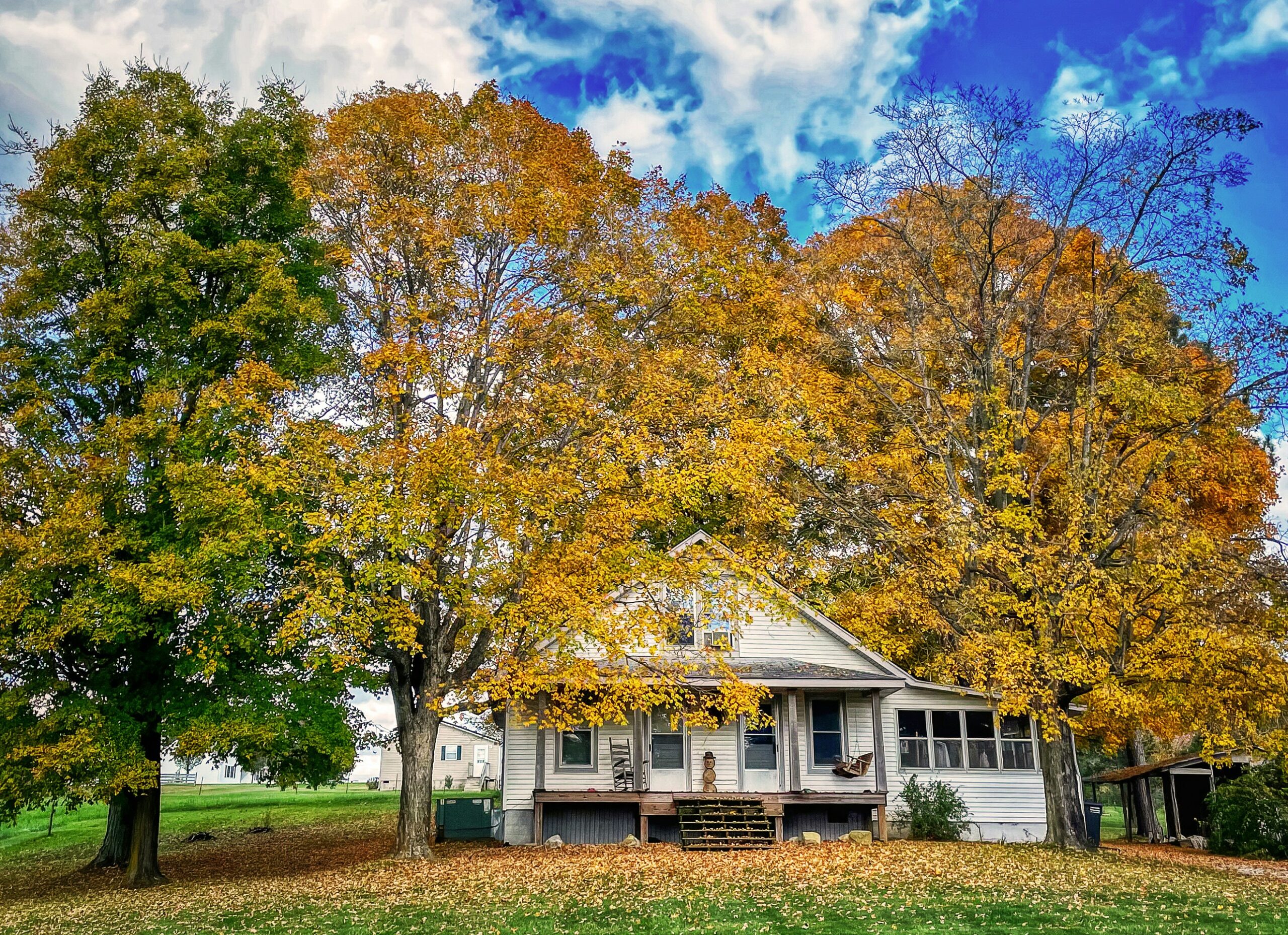
Kentucky offers a compelling mix for fix and flip investors: affordable older housing stock, steady rental demand from universities and distribution industry employers, and active markets across Louisville, Lexington, Bowling Green, and Northern Kentucky’s Cincinnati commuter corridor. The entry points are accessible and the competition is manageable compared to higher-profile markets.
Clay soils, humidity, tornado risk, and meaningful differences between urban and rural code enforcement create their share of surprises. Here’s what to understand before you start.
Key Things to Know Before You Start
Contractor licensing is required above a relatively low project threshold. Kentucky mandates residential contractor licenses for projects over $10,000, with electrical and plumbing trades licensed separately. Many investors self-manage cosmetic work but bring in licensed GCs for structural and MEP jobs — it keeps permits and inspections clean and avoids complications that tend to surface at resale.
Permitting varies sharply between cities and counties. Louisville and Jefferson County have formal online permitting systems. Lexington adds historic district overlays that require additional consideration. Rural counties are lighter on enforcement but still apply electrical and plumbing basics — skipped permits create resale problems regardless of how informal the local environment feels during the project.
Central Kentucky’s clay soils — and karst limestone — create foundation risks that go beyond typical settlement. The clay-heavy terrain expands and contracts with moisture changes, heaving slabs and basement walls over time. But Kentucky also has karst limestone formations in many areas, which means sinkhole risk is a real consideration that doesn’t exist in most other markets. Drainage improvements and sump pump installations are common mid-rehab discoveries — experienced investors build them into the scope from the start.
Humidity drives mold, wood rot, and accelerated roof failure. Heavy rainfall combined with poor ventilation creates crawlspace and attic mold problems that aren’t always visible at purchase. Older roofs deteriorate faster in Kentucky’s climate than investors from drier states expect. And termite damage in wood-framed homes is common enough to treat as a standard inspection item rather than an edge case.
Tornado and wind bracing requirements apply across western and central parts of the state. High wind zone specifications require shear walls and tie-downs that add framing cost. Storm shelters aren’t required but can boost ARV in markets where buyers prioritize them — worth considering as a value-add depending on your exit strategy.
Septic and well systems are the norm outside metro areas. Rural properties throughout Kentucky rely on private systems, and perc tests, pump-outs, and potential replacements can be significant budget items. Failed systems derail financing and appraisals mid-project — finding problems early is far less disruptive than finding them after you’ve committed.
HOAs govern many newer suburban developments. Louisville and Lexington area tract communities control exterior finishes, fencing, and landscaping with real authority. Unapproved changes trigger fines and stop-work orders that stall projects at inconvenient moments.
Permits, Inspections, and Timelines
Permits run through city and county building departments. Structural work, roofing, electrical, plumbing, and basement finishes all require permits. Cosmetic work generally doesn’t — but scope creep into permitted territory is common enough to think through before demo starts. Louisville and Lexington plan review typically runs two to six weeks. Rural departments move faster up front but slower on inspector availability given the distances involved. Partnering with a draw-friendly lender, like the ones found on Lenderly, ensures you have access to secure and timely remote virtual inspections, eliminating the need for on-site inspector availability.
Standard inspections cover footing, framing, rough MEP, insulation, and final. Re-inspections after corrections add days that compound on short-term loans. Humid summers slow exterior work and affect scheduling in ways that investors from drier climates don’t always anticipate. Tornado season in the spring stretches building department capacity. Utility delays add further schedule risk. Building 20 percent schedule buffer into loan term assumptions is a reasonable working baseline for Kentucky projects.
Working With Contractors
Kentucky contractors are licensed through the state board, with trades licensed separately. Labor is generally steady but tightens near Louisville during active construction seasons.
Verify licenses and insurance through the state licensing site before signing anything. Get bids that specifically address clay drainage solutions, mold remediation scope, and wind bracing requirements — not just a general rehab description. Milestone-based contracts tied to inspections and documented progress are standard practice. Local REIA networks in Louisville and Lexington are reliable referral sources that consistently outperform national platforms.
Book foundation crews and roofers early. Wet seasons complicate clay soil work in ways that push timelines back, and waiting until you need trades means competing with every other investor who also waited.
Financing Your Project
Regional hard money lending covers Kentucky with activity centered in Louisville and Lexington. Underwriting focuses on ARV supported by local comps, clay soil and foundation risks, and realistic humidity-related schedule buffers. Typical leverage runs 70 to 75 percent of ARV or 85 percent of total project cost, with draws released after inspections.
The flags that come up most consistently: unpermitted basement work, sinkhole or karst exposure, and evidence of deferred mold remediation. Urban deals get more favorable terms; rural projects face conservative ARV assumptions. Soil engineering reports can meaningfully improve both funding access and loan conditions — particularly on properties where karst geology is a factor.
Common Mistakes to Avoid
Ignoring clay and karst foundation risks is the most consequential due diligence gap in Kentucky. Sinkhole exposure and clay settlement aren’t problems that announce themselves clearly before you close — they show up mid-project and consume contingency in ways that are hard to recover from. Underbudgeting for humidity-driven mold remediation leads to crawlspace and attic conditions that fail inspections and spook buyers during due diligence.
Skipping septic and well inspections before finalizing a rehab budget creates financing disruptions that are difficult to manage mid-project. Assuming Louisville permitting timelines apply to rural jurisdictions leads to schedule surprises in counties that operate on their own pace. Missing HOA approval for exterior changes triggers violations that stall work, and planning projects without buffer for wet season rain delays — which cascade across exterior trades in sequence — is one of the more predictable ways to blow a timeline in this state.
The Bottom Line
Kentucky’s affordability and steady demand make it a reliable market for investors who respect what its clay soils, karst geology, humidity, and local permitting variation actually require. Experienced investors budget 20 percent contingency as a baseline, prioritize foundation work, septic assessment, and mold prevention in their scopes, and build lender and contractor relationships in the major metros before they need them urgently.
Understand your specific county’s requirements, connect with Kentucky REIAs, and verify soil conditions, sinkhole risk, HOA covenants, and septic status before you finalize your numbers. With realistic weather planning built in from the start, Kentucky delivers solid, repeatable returns for prepared investors.