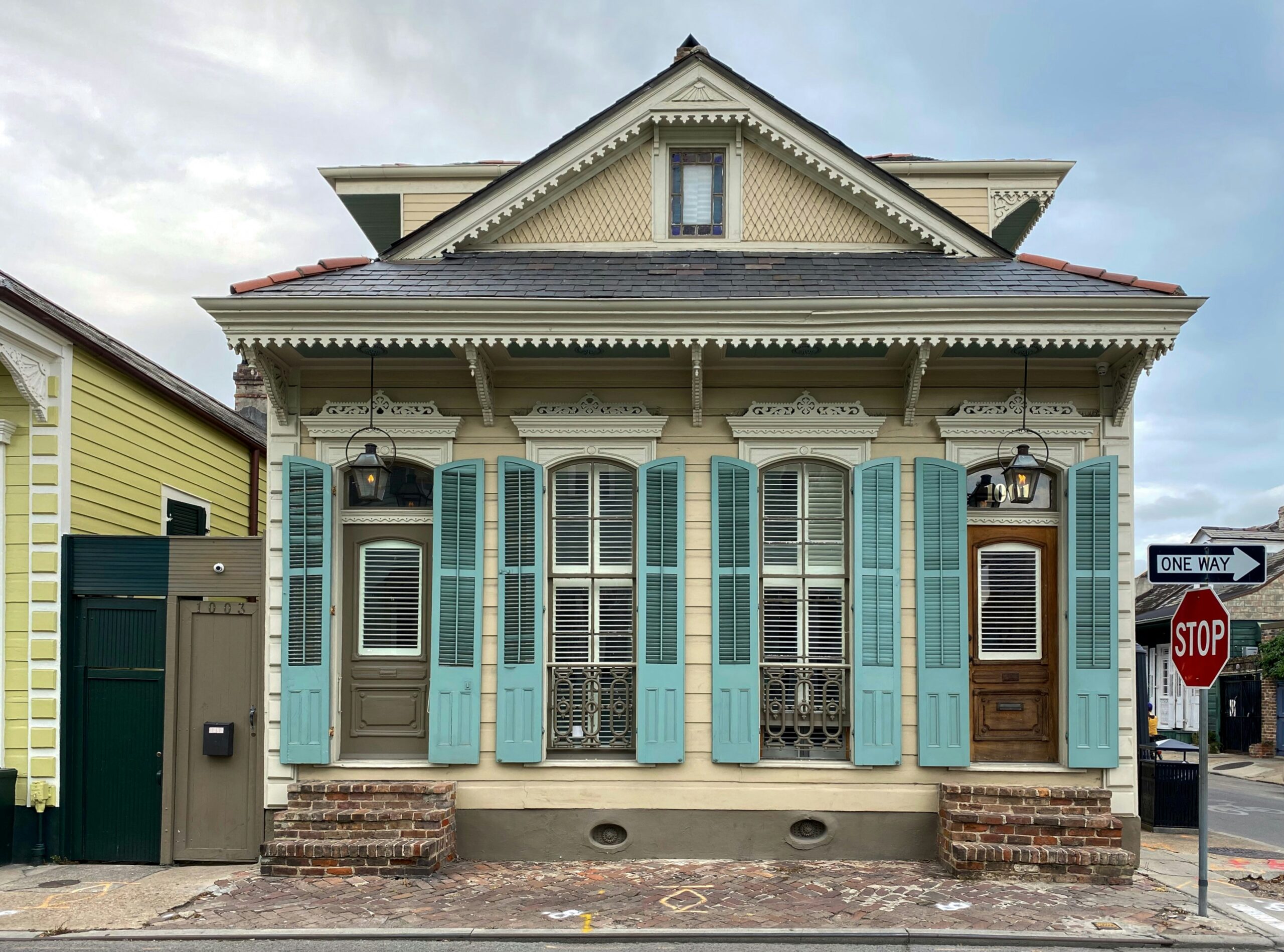
Louisiana has a genuinely distinctive fix and flip market. Affordable housing, strong tourism demand, energy sector employment, and a deep inventory of older French and Spanish Creole-style housing create real opportunity for 1–4 unit rehabs across New Orleans, Baton Rouge, Lafayette, and Shreveport. The cultural appeal and rental demand are real advantages.
So are the hurricanes, flooding, humidity, and one of the most complex permitting environments in the country. Louisiana rewards investors who treat it as the specialized market it is — and consistently surprises those who don’t.
Key Things to Know Before You Start
Contractor licensing is mandatory across most scopes of work. Louisiana requires state residential contractor licenses above modest thresholds, with electrical, plumbing, and HVAC trades licensed separately. Most investors hire licensed GCs for structural and MEP work — the permitting, insurance, and liability environment makes that the practical default rather than just the cautious choice.
Flood zones and hurricane codes shape every project in the state. More than 40 percent of Louisiana sits within FEMA floodplains, and high wind-load requirements of 130 to 150 mph design speeds — along with impact-rated windows and doors and elevated foundation requirements — apply across coastal and parish zones. Substantial improvements to existing properties can trigger base flood elevation compliance that fundamentally changes a project’s scope and cost. This isn’t a coastal-only issue; it affects a wide swath of the state.
Humidity, termites, and mold are baseline concerns, not edge cases. Louisiana’s subtropical climate accelerates wood rot in floors, walls, and framing. Formosan termites — particularly destructive and widespread in pre-1980s homes — can cause damage that isn’t visible until demo begins. Crawlspace encapsulation and termite tenting are standard rehab line items here, not optional upgrades.
Foundations require more thought than in most states. Expansive clays and recurring flood exposure demand raised foundations in many areas, and poorly maintained pier systems cause settlement that can turn a cosmetic project structural. In some areas, post-Katrina pile systems have become more common, adding cost that investors from other regions don’t anticipate.
Parish and city rules vary enormously. Orleans Parish has Historic District Landmark Commission reviews that add significant time and complexity to exterior work in affected neighborhoods. Jefferson and St. Tammany parishes add coastal overlay requirements. Rural parishes are lighter on enforcement but still apply flood basics. Louisiana’s regulatory landscape is genuinely fragmented — what applies in one parish may be completely different a few miles away.
HOAs and architectural committees control many newer suburban and bayou-area developments. Shutters, roofing materials, and building elevations are all subject to committee approval in many communities. Skipping those approvals halts work and creates resale complications.
Permits, Inspections, and Timelines
Permits run through parish and municipal building departments. Structural work, roofing, electrical, plumbing, foundation elevations, and flood vents all require permits. Cosmetic work generally doesn’t — but in Louisiana’s environment, most meaningful rehabs touch at least one system that triggers review. New Orleans and Jefferson Parish plan review runs four to twelve weeks given the layers of historic and flood review involved. Rural parishes typically move in two to six weeks.
Inspections cover foundation and elevation, framing and shear walls, rough MEP, termite barriers, and final — plus special wind and impact glazing checks in applicable zones. Hurricane season runs June through November and backs up building departments significantly as resources get stretched toward storm response. Re-inspections lag during and after active weather periods. Flood elevation certificates add another coordination step that many investors underestimate.
Building 30 percent schedule buffer into short-term loan terms is a realistic working baseline for Louisiana projects — not a pessimistic one. Partnering with a draw-friendly lender, like the ones found on Lenderly, ensures you have access to secure and timely remote virtual inspections, which helps to speed up the process massively.
Working With Contractors
Louisiana contractors are licensed through the state licensing board, with trades licensed separately. Post-storm labor shortages are a chronic reality in this market, not an occasional disruption. Reliable, credentialed crews are in demand year-round.
Verify licenses and insurance through the state licensing site before signing anything. Get bids that specifically address elevation work, termite barrier installation, impact-rated products, and mold remediation scope — not just a general rehab description. Milestone-based contracts tied to inspections and flood certifications are standard practice. Local REIA networks in New Orleans and Baton Rouge are essential for finding contractors who understand Louisiana’s specific requirements — national platforms consistently fall short in this market.
Book roofers and elevation contractors before hurricane season begins. Material delays are common, and waiting until you need trades means waiting longer than your loan timeline allows.
Financing Your Project
Regional and national hard money lenders are active in Louisiana, but working with lenders who are specifically experienced in flood-zone markets makes a meaningful difference in how smoothly underwriting and draws proceed. Lenders scrutinize NFIP compliance, wind mitigation documentation, and ARV through a limited set of local comparable sales. Typical leverage caps at 65 to 75 percent of ARV or 80 to 85 percent of total project cost — more conservative than most states — with draws released after inspections and elevation certificate completion.
The flags that come up most in underwriting: unpermitted elevation work, flood zone compliance gaps, and deferred termite treatment. Coastal deals face the strictest LTV requirements and highest reserve expectations. Inland New Orleans markets tend to get more favorable terms. Flood engineering reports and documented mitigation plans can unlock funding that would otherwise face additional conditions.
Common Mistakes to Avoid
Ignoring flood elevation requirements is the most budget-damaging mistake in Louisiana. Substantial rehabilitation can trigger base flood elevation compliance that adds significant cost — discovering that requirement mid-project rather than in the planning stage is a recurring and expensive lesson. Underbudgeting for termite damage and humidity-driven mold in a subtropical climate is closely related; wood rot can cascade into structural repairs that weren’t anywhere in the original scope.
Skipping parish-specific flood reviews delays elevation certificates and can halt occupancy and sales at the finish line. Planning tight timelines around hurricane season — when a single storm event can stretch a 90-day project to 180 days or more — is one of the more predictable ways for a Louisiana project to go sideways. Applying mainland foundation assumptions to Louisiana’s clay and flood conditions leads to pier and elevation redesigns that blow both budgets and schedules. And missing historic district or HOA overlay requirements for exterior work tends to surface at exactly the wrong moment.
The Bottom Line
Louisiana’s pricing, demand fundamentals, and distinctive housing stock reward investors who approach it as the specialized market it genuinely is. Hurricanes, humidity, and regulatory complexity demand contingency budgets of 30 percent or more — not as padding, but as an honest reflection of what projects here actually require.
Research your specific parish thoroughly before you commit, connect with Louisiana REIAs, and verify flood zone status, termite history, and HOA requirements before you finalize your numbers. With realistic elevation and weather buffers built in from the start, Louisiana can deliver strong returns for investors who come in prepared.