
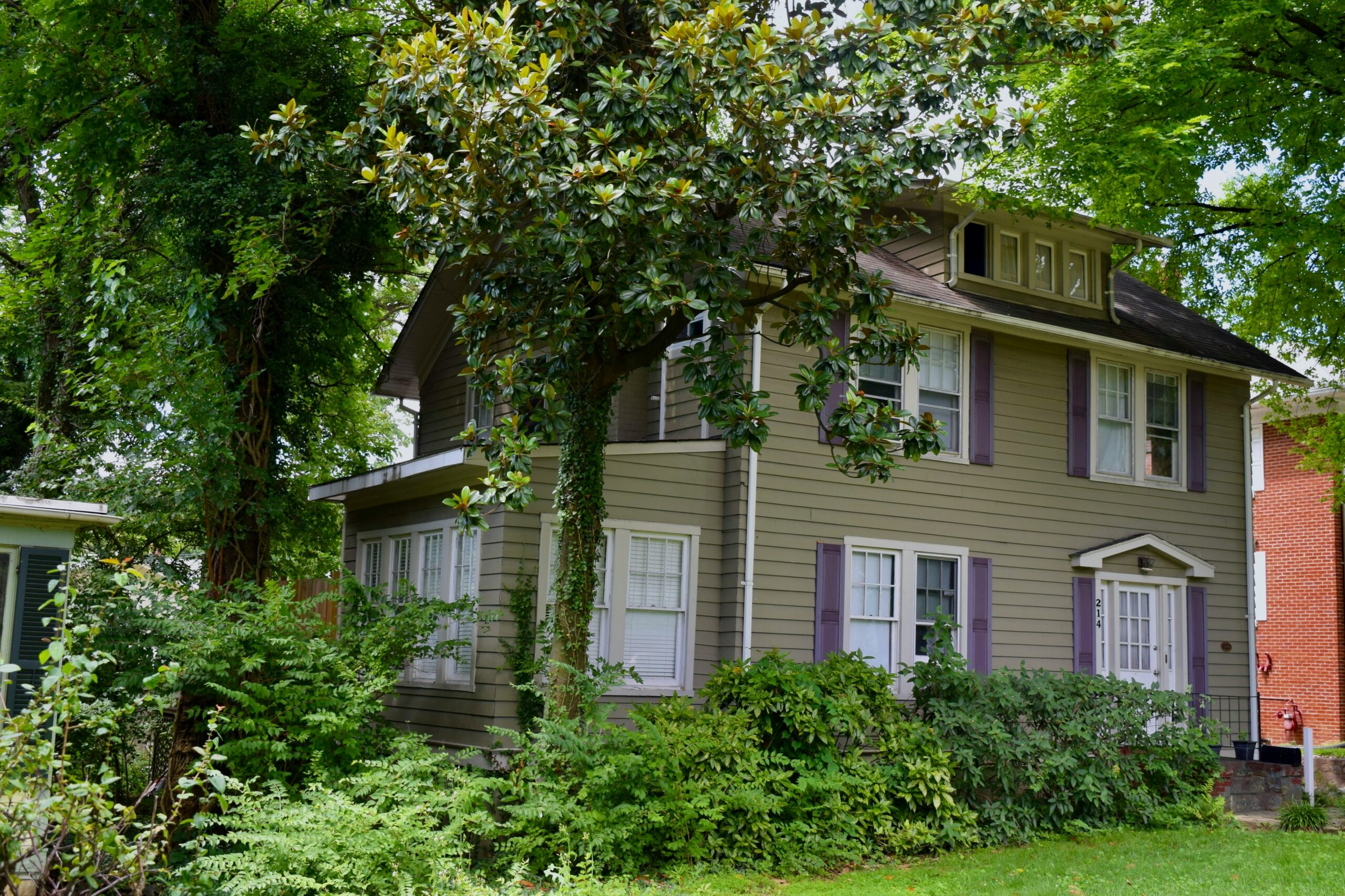
Maryland punches above its size as a fix and flip market. Proximity to federal employment, strong and consistent rental demand, and a deep inventory of older housing across Baltimore, the DC suburbs, Annapolis, and Frederick create real opportunity for 1–4 unit rehabs. The fundamentals are solid — but harsh winters, Chesapeake Bay flooding, strict county-level codes, and historic district requirements make this a market where preparation pays off more than most.
Here’s what experienced investors wish they’d known going in.
Key Things to Know Before You Start
Contractor licensing is required across most meaningful scopes of work. Maryland mandates state licenses for residential work above modest thresholds, with electrical, plumbing, and HVAC trades licensed separately. Most investors hire licensed GCs for structural and MEP work — the permitting, insurance, and liability environment makes that the practical default.
County rules matter more than state rules — and Baltimore City is its own world. Montgomery and Prince George’s Counties have rigorous plan review processes and layered zoning requirements. Baltimore City adds vacant property registration requirements that affect how certain projects are initiated and tracked. Rural counties are lighter on enforcement but still apply flood and life-safety basics. Never assume that experience in one Maryland jurisdiction transfers cleanly to another.
Freeze-thaw cycles and clay soils create foundation and drainage problems that show up mid-project. Winter heaving damages slabs, basements, and masonry. Bay-area drainage issues flood crawlspaces in ways that aren’t always apparent at purchase. Sump pump installation and foundation waterproofing are standard mid-rehab discoveries in Maryland — experienced investors simply build them into the scope from the start.
Flood zones cover a significant portion of the state near Chesapeake tributaries. More than 20 percent of Maryland sits in FEMA AE or VE flood zones, and substantial improvements to properties in those zones can trigger base flood elevation compliance, flood vents, and breakaway wall requirements that fundamentally change a project’s scope and cost. This affects a meaningful share of the properties that attract investors to Maryland’s waterfront and near-water communities.
Older Baltimore rowhomes and inner-suburb housing hide expensive system problems. Knob-and-tube wiring and galvanized plumbing are common in pre-1960s housing stock. Once walls are open, what started as a cosmetic flip regularly becomes a full electrical and plumbing overhaul. Experienced Baltimore investors budget for this before demo starts rather than treating it as a surprise.
Historic districts in Baltimore and Annapolis have real teeth. The Historic Landmark Commission review process governs facades, roofs, and windows in affected neighborhoods, and skipping that process doesn’t just create fines — it can halt work entirely and create title and resale complications that are difficult to unwind. If your property is in a historic district, those approvals need to be part of the plan from day one.
HOAs dominate the DC suburb landscape. Newer tract communities in Montgomery, Prince George’s, and surrounding counties dictate exterior materials, fencing, and landscaping with real authority. Unapproved changes trigger stop-work orders at inconvenient moments.
Permits, Inspections, and Timelines
Permits run through county and city building departments. Structural work, roofing, electrical, plumbing, and basement finishes all require permits. Cosmetic work typically doesn’t — but scope creep into permitted territory happens regularly, and any project touching systems or structural elements crosses that line. Montgomery County plan review runs four to ten weeks. Baltimore City typically moves in three to eight weeks. Rural counties are faster but vary on inspector availability.
Standard inspections cover footing, framing, rough MEP, insulation, and final — with additional checks for flood elevation compliance where applicable. Winter slows exterior work and backs up busy building departments. Re-inspections after corrections compound timeline pressure on short-term loans. Building 25 percent schedule buffer into loan term assumptions is a reasonable baseline for Maryland projects, with more buffer warranted for historic district work or flood zone properties where additional approval layers are involved.
Partnering with a draw-friendly lender, like the ones found on Lenderly, ensures you have access to secure and timely remote virtual inspections, effectively eliminating many of these issues.
Working With Contractors
Maryland contractors are licensed through the Maryland Home Improvement Commission, with trades licensed separately. DC suburb labor markets command premium pricing that shows up in bids — that’s the cost of operating in a high-wage metro area, and it needs to be in your numbers.
Verify licenses and insurance through the MHIC site before signing anything. Get bids that specifically address sump system installation, flood mitigation scope, and historic-compliant materials where applicable — not just a general rehab description. Milestone-based contracts tied to inspections are standard. Local REIA networks in Baltimore and the DC suburbs are the most reliable source of contractor referrals for investors working in Maryland.
Book foundation crews and roofers before winter. The spring rush is chronic and predictable — waiting until you need trades means competing with every other investor who also waited.
Financing Your Project
Regional and national hard money lending is active near DC and Baltimore, with strong lender presence across Maryland’s major markets. Underwriting focuses on ARV supported by local comps, flood risk documentation, and realistic winter schedule buffers. Typical leverage runs 70 to 75 percent of ARV or 85 percent of total project cost, with draws released after inspections and elevation certificate completion where flood zones are involved.
The flags that come up most consistently: unpermitted basement work, flood zone compliance gaps, and historic district issues that weren’t addressed in the scope. DC suburb deals tend to get the most favorable terms given strong buyer demand and deep comparable sales. Baltimore projects face more conservative underwriting given vacancy rates and neighborhood variability. Flood engineering reports and documented mitigation plans smooth the approval process meaningfully.
Common Mistakes to Avoid
Ignoring clay soil and flood foundation risks — and discovering mid-project that elevation compliance or waterproofing adds significant cost — is one of the most consistent budget mistakes in Maryland. Underbudgeting for full system upgrades in older Baltimore housing stock is closely related; wiring and plumbing that fail inspection cascade into costs that weren’t in the cosmetic scope.
Skipping historic district review for facade and exterior work leads to stop-work situations that are hard to resolve quickly and affect resale in lasting ways. Planning tight winter timelines without buffer for freeze-related delays pushing exterior work into a backed-up spring season is a recurring schedule mistake. Overlooking HOA requirements for suburban exterior changes, and failing to verify flood zone status and insurance requirements before closing, both create problems that are entirely avoidable with upfront due diligence.
The Bottom Line
Maryland’s job market stability and housing demand create genuine upside for well-run fix and flip projects — but winters, flood exposure, and county-by-county regulatory variation mean that preparation matters more here than in more straightforward markets. Experienced investors budget 25 percent contingency, respect historic district and flood zone requirements, and build lender and contractor relationships in their target jurisdiction before they need them urgently.
Research your specific county or city thoroughly, connect with Maryland REIAs, and verify flood zone status, historic district requirements, and HOA covenants before you finalize your numbers. With realistic seasonal planning and a team that understands the local landscape, Maryland can deliver premium returns for investors who approach it prepared.