
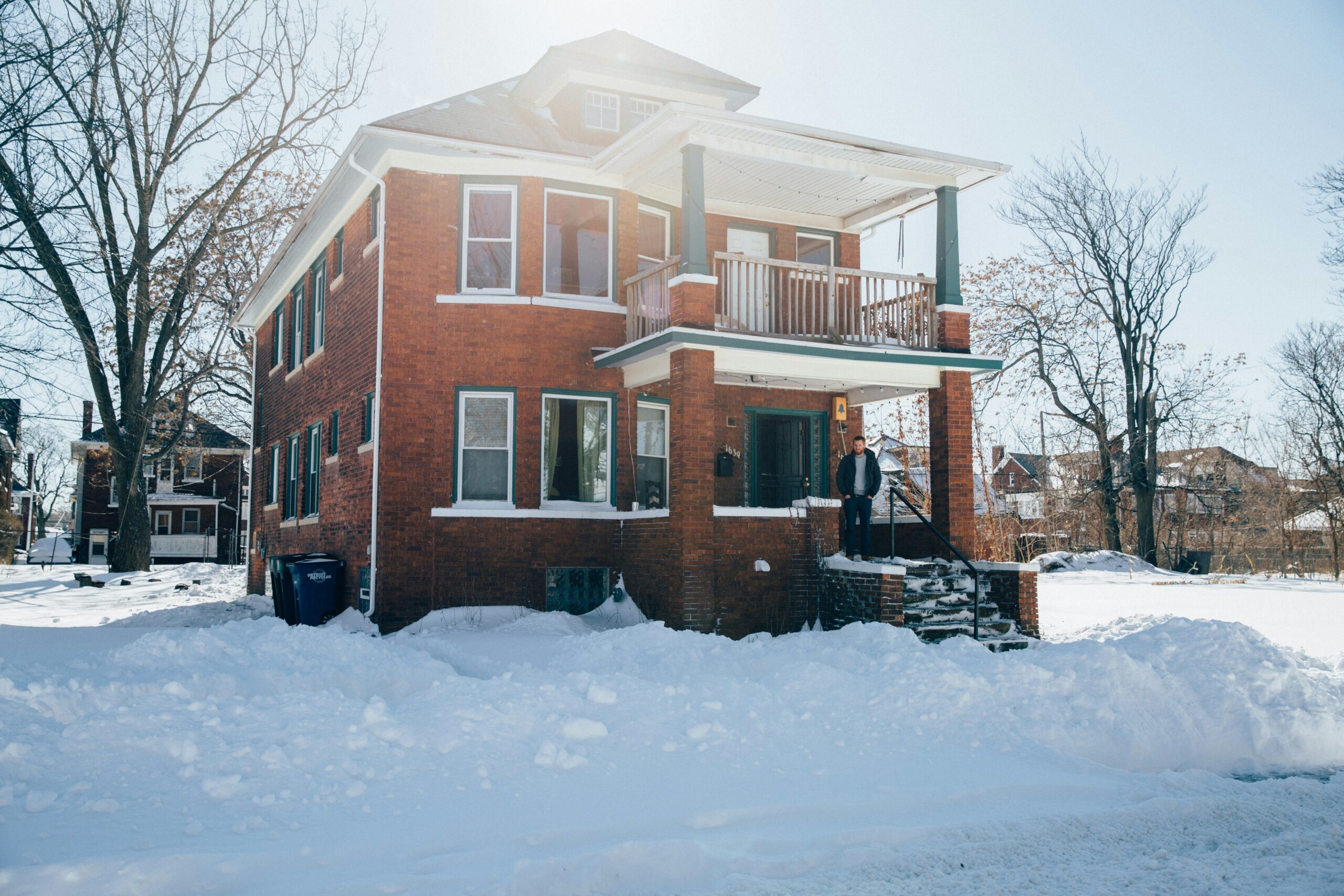
Michigan has a compelling story for fix and flip investors. Detroit’s ongoing revival, Grand Rapids’ steady growth, Ann Arbor’s university-driven rental demand, and the affordability of distressed housing across Flint and lakeshore communities create genuine opportunity for 1–4 unit rehabs. The price points are accessible, and the value-add potential in many neighborhoods is real.
Harsh winters, clay and sand soil conditions, Great Lakes flooding exposure, and Detroit’s unique blight compliance environment create challenges that out-of-state investors consistently underestimate. Here’s what to plan around before you commit.
Key Things to Know Before You Start
Contractor licensing in Michigan is primarily local, not statewide. There’s no single statewide residential GC license — cities and counties require their own business licenses and registrations. Detroit has specific blight compliance requirements layered on top of that. Electrical and plumbing trades are state-licensed. Working with locally registered professionals for permitted work isn’t optional; it’s how the system operates here.
Older housing stock in Michigan carries damage that goes well beyond cosmetics. Freeze-thaw cycles heave foundations and porches, neglected roofs leak in ways that cascade into interior damage, and aluminum siding and knob-and-tube wiring are common in pre-1970s homes. Gut rehabs are more the rule than the exception in many Michigan markets. Investors who plan for cosmetic work and find something more serious mid-demo are having a very common Michigan experience.
Clay and sand soils create different but equally real foundation challenges. Southeast Michigan’s clay-heavy terrain expands with moisture. Sandy lake-effect areas drain poorly and shift. Basements flood without proper sump and ejector pump systems, and frost depth requirements of 42 to 48 inches demand deep footings. Neither soil type is forgiving of deferred drainage work.
Flooding near the Great Lakes and Detroit River is a serious and recurring concern. FEMA flood zone requirements demand elevation and flood vents in affected areas, and combined sewer overflows routinely flood low-lying basements throughout Detroit and older suburbs. This isn’t a rare weather event risk — it’s a baseline condition in many neighborhoods that needs to be addressed in the scope.
Detroit’s blight ordinance adds a layer of compliance that investors from other markets don’t encounter. Vacant and dilapidated property registration, board-up standards, and lot clearance requirements are mandatory, and fines accrue quickly on foreclosures and neglected properties. Blight clearance certificates affect both draw releases and resale — understanding where a property stands before you close is essential, not optional.
HOAs govern many newer suburban developments. Grand Rapids and Ann Arbor area tract communities dictate exterior finishes and landscaping with real authority. Unapproved changes trigger the familiar pattern of fines and stop-work orders.
Union labor norms affect pricing in Detroit and Flint. Prevailing wage expectations influence larger rehabs in the metro area, and that shows up in contractor bids.
Permits, Inspections, and Timelines
Permits run through city and county building departments. Structural work, roofing, electrical, plumbing, and basement finishes all require permits. Cosmetic work typically doesn’t — but most meaningful Michigan rehabs cross into permitted territory at some point. Detroit plan review runs four to twelve weeks given the blight compliance layers involved. Grand Rapids typically moves in two to six weeks.
Standard inspections cover footing at frost depth, framing, rough MEP, insulation, and final. Detroit adds blight and occupancy inspections on top of the standard sequence. Winter stops exterior work, and re-inspections lag in building departments that are often understaffed relative to the volume of distressed properties in their jurisdiction. Building 25 to 30 percent schedule buffer into loan term assumptions is a realistic baseline — more for Detroit projects where blight compliance adds its own timeline.
Partnering with a draw-friendly lender, like the ones found on Lenderly, ensures you have access to secure and timely remote virtual inspections, effectively eliminating many of these issues.
Working With Contractors
Michigan contractors need local licenses and registrations, with trades state-certified. Detroit’s post-revival labor market is mixed — there are experienced crews doing strong work alongside less reliable operators, and the difference matters significantly when blight compliance and inspection timelines are involved.
Verify local registration and insurance before signing anything, and confirm Detroit blight compliance status for contractors working in that market. Get bids that specifically address sump and ejector system installation, full roof replacement where needed, electrical upgrades, and porch rebuilding — not just surface work. Milestone-based contracts tied to inspections and blight clearance documentation are standard for Detroit projects. Local REIA networks in Detroit and Grand Rapids are the most reliable source of contractor referrals in a market where reputation varies considerably.
Book foundation crews and roofers before November. Michigan’s viable exterior construction window is genuinely short, and waiting means competing with every other investor scrambling to start before the freeze.
Financing Your Project
Hard money lending is active in Detroit and Grand Rapids, with opportunistic lenders who understand distressed property acquisition and rehabilitation. Underwriting focuses on ARV through local comps — and comp quality deserves extra scrutiny in rapidly changing Detroit neighborhoods where values vary block by block — along with blight status, flood risk, and winter schedule buffers. Typical leverage runs 70 to 80 percent of ARV or 85 to 90 percent of total project cost, with draws released after inspections and blight certificate completion.
The flags that come up most consistently: open blight violations, flooded or water-compromised basements, and unpermitted additions. Detroit deals face ARV discounts of 10 to 20 percent in many neighborhoods given comp uncertainty and buyer pool depth. Suburban projects in Grand Rapids and Ann Arbor get more favorable treatment. Blight certificates in hand at draw time speed the process meaningfully.
Common Mistakes to Avoid
Buying a blighted Detroit property without fully understanding the clearance requirements and timeline is the most operationally disruptive mistake in this market. Open violations halt both funding and sales in ways that are difficult to work around once you’re committed. Ignoring freeze-thaw damage to foundations and porches — assuming it’s cosmetic when it’s structural — cascades into costs that weren’t in the original budget.
Skipping sump and flood basement fixes leads to water issues that fail inspections and spook buyers during due diligence. Using optimistic ARV assumptions in rapidly reviving neighborhoods without verifying comp quality and buyer depth can produce exit prices that the market simply won’t support. Planning tight timelines around Michigan’s four-month viable construction window without buffer for weather and backlog, and overlooking local licensing requirements that result in unpermitted trade work failing inspection — these are the recurring mistakes that experienced Michigan investors treat as standard planning considerations.
The Bottom Line
Michigan’s distressed-to-value opportunity is real, and investors who understand the blight compliance environment, winter realities, and soil conditions can build strong equity positions in markets that still have room to run. The key is approaching the complexity as a planning exercise rather than discovering it mid-project.
Research your specific city’s requirements thoroughly, connect with Michigan REIAs, and verify blight status, soil and flood conditions, and HOA covenants before you finalize your numbers. With realistic seasonal buffers and a team that knows the local landscape, Michigan delivers meaningful returns for prepared investors.