
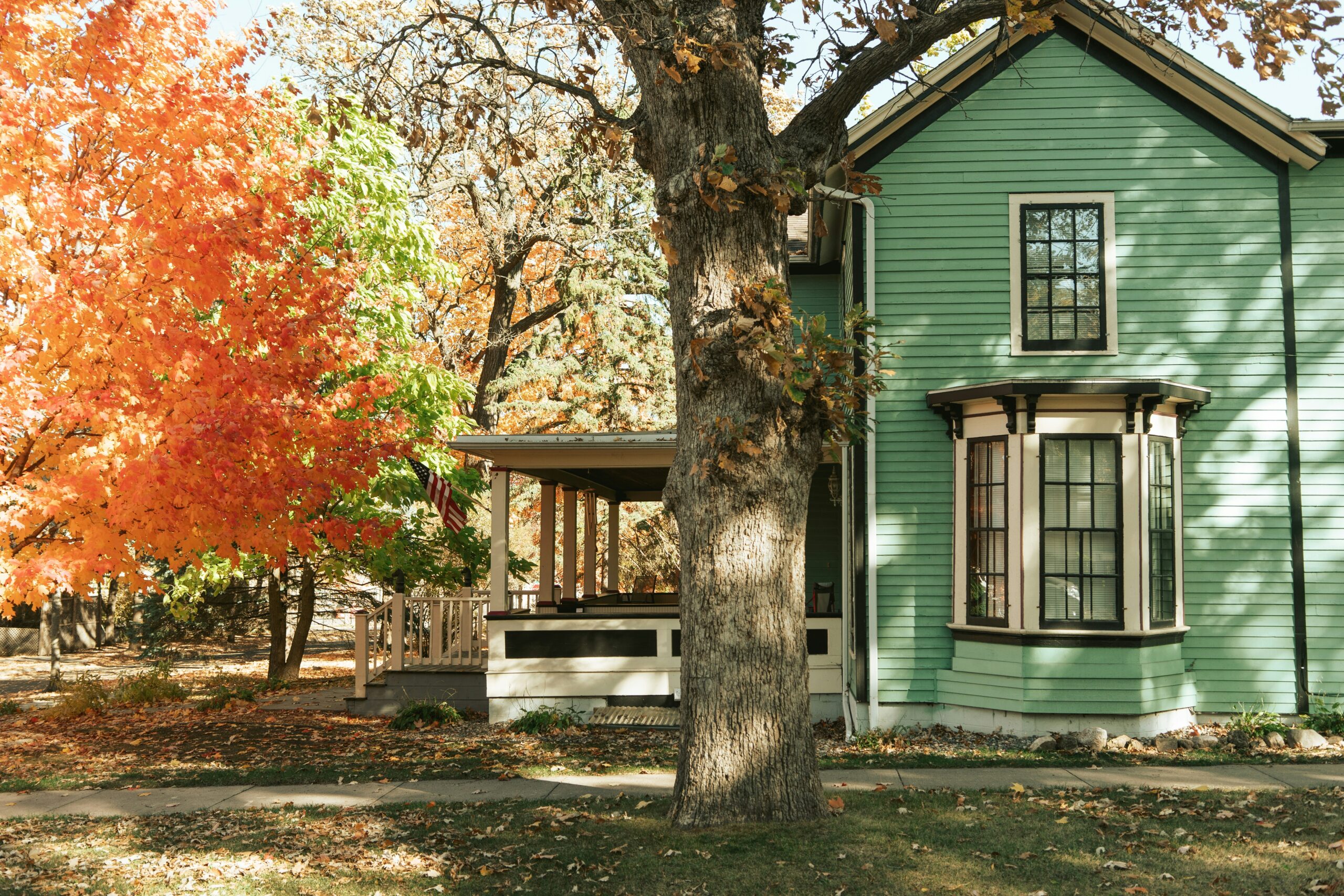
Minnesota offers a steady and genuinely underappreciated fix and flip market. Twin Cities infill rehabs, college-driven submarkets in Duluth and Mankato, and working-class corridors along the Mississippi River all see consistent 1–4 unit investor activity. Affordable older housing stock and stable Midwestern demand give investors real room to work with.
What sets Minnesota apart from most markets is a more centralized approach to residential contractor licensing — one that catches out-of-state investors off guard regularly — combined with cold-climate construction requirements that add cost and complexity that Sun Belt investors rarely anticipate. This is a “plan first, swing hammers second” market. Here’s what that means in practice.
Key Things to Know Before You Start
Minnesota’s statewide residential contractor licensing has real reach. Any individual or company that contracts directly with a homeowner on a 1–4 unit property and performs work across more than one trade generally needs a Minnesota residential building contractor or residential remodeler license. Spec builders improving homes for resale are included in that net, as are residential roofers. Investors planning to GC projects for resale typically need to either hire a licensed GC or pursue their own license — treating every project as an owner-builder situation doesn’t hold up here.
The owner-builder exemption is narrower than most investors assume. Minnesota allows owners to work on their own property without a contractor license, but owners who improve or build properties for resale or speculation are expected to be licensed. Cities like Minneapolis explicitly flag that improving more than one property in a 24-month period puts you in contractor territory and requires a valid state license. That catches a significant number of newer flippers by surprise when they try to pull multiple permits in their own name.
Permitting and zoning are controlled locally, and cities run their own processes. The state sets the residential building code, but Minneapolis, Saint Paul, Duluth, and their suburbs each control how permits are processed and what documentation they require. Some jurisdictions want more detailed drawings and energy compliance details even for small interior remodels. Assuming every Minnesota city handles a basement finish or bedroom addition the same way leads to extra review cycles that weren’t in the timeline.
Interior remodels trigger meaningful code upgrades — more than investors expect. Adding bedrooms, finishing basements, or converting attics isn’t just paint and flooring in Minnesota. Permits are required, and inspectors expect code-compliant egress windows, interconnected smoke and CO alarms, and separate trade permits for electrical, plumbing, HVAC, and gas piping where applicable. A “simple” extra bedroom that requires cutting in a larger egress window and upgrading life-safety systems is a common mid-project discovery.
Cold-climate construction details affect your budget in ways that aren’t obvious until inspection. Minnesota’s winters drive specific requirements for insulation levels, air sealing, roof and attic ventilation, and frost-protected foundations. Local inspectors pay close attention to how windows, doors, and penetrations are flashed and sealed — ice dams and condensation problems surface quickly in this climate and reflect directly on the quality of the work. Under-budgeting for envelope work turns cosmetic rehabs into margin problems.
The exterior construction window is real and compressed. Concrete work, roofing, siding, and exterior paint are all season-sensitive in Minnesota. Most experienced investors treat late April through October as the realistic window for full exterior work and schedule foundations, roofing, and major envelope repairs early in that window. Winter projects slow down as inspectors, concrete plants, and trade contractors all work around weather constraints simultaneously.
State-licensed trades and local registrations run in parallel. Electrical and plumbing contractors are licensed separately at the state level and generally pull their own trade permits. Some cities require additional local contractor registration on top of state licensing. Investors who try to bundle everything under an unlicensed handyman run into inspection problems that are entirely predictable and entirely avoidable.
Permits, Inspections, and Timelines
Minnesota residential projects are governed by the state building code, but permitting runs through city or county building departments. For 1–4 unit projects, you’ll typically pull building permits for structural work and layout changes, then separate mechanical, electrical, plumbing, and gas permits as needed.
Standard inspection sequences cover footing and foundation where applicable, framing and rough-in for MEP trades, insulation and air barrier, and final. When adding bedrooms or finishing basements, inspectors focus closely on egress windows, smoke and CO alarm placement, headroom, and stair safety. Missing those items is one of the most common causes of failed inspections and re-inspection delays in Minnesota rehabs.
Timelines vary between major metros and smaller towns. Minneapolis, Saint Paul, and Duluth plan reviews take longer and reviewers expect more complete drawings. Smaller jurisdictions sometimes move faster up front but may have fewer inspectors, stretching re-inspection windows during busy building seasons. Building 20 to 30 percent schedule buffer into loan term assumptions is a practical baseline — more for projects with significant exterior work that’s weather-dependent.
Partnering with a draw-friendly lender, like the ones found on Lenderly, ensures you have access to secure and timely remote virtual inspections, effectively eliminating many of these issues.
Working With Contractors
Most true GC roles on 1–4 unit projects require a Minnesota residential building contractor or residential remodeler license when the contractor is working directly for the owner across multiple trades. In the Twin Cities and larger regional hubs, the standard arrangement is a licensed GC managing state-licensed electricians and plumbers who pull their own trade permits. Smaller markets sometimes operate more informally, but inspection standards don’t bend to accommodate that — and unlicensed multi-trade operators become a real liability when permits and inspections tighten.
Before signing with any contractor, verify state license numbers and local registrations. Require contractors to hold the permits for the scopes they control, particularly structural and MEP work. Use milestone-based payments tied to passed inspections and visible progress rather than calendar dates. And ask for recent local references on similar Minnesota projects — cold-weather rehab experience specifically is worth asking about, because the details that matter here are different from what contractors learn working in milder climates.
Financing Your Project
Hard money and private lenders are active in Minnesota, particularly in the Twin Cities and larger metros like Rochester and Duluth. Underwriting here focuses less on debt-to-income metrics and more on property equity, ARV, investor experience, and whether the rehab scope realistically addresses Minnesota-specific risks — energy performance, life-safety upgrades, and cold-weather construction timelines.
Typical leverage runs around 60 to 75 percent of ARV or similar percentages of total project cost, leaving real equity cushion for market and construction surprises. Some lenders layer in gap funding for experienced operators, but combined leverage rarely reaches into the mid-80s sustainably. That structure lets lenders stay comfortable with older housing stock and cold-weather risk without requiring perfect borrower profiles.
The underwriting questions that come up most often: Is the envelope work — roof, siding, windows, insulation — properly budgeted for a state with heavy heating loads? Are egress windows, smoke and CO alarms, and other life-safety items addressed for any bedroom additions or basement finishes? Does the project schedule align with the exterior construction season and account for winter slowdown? Draw schedules tie to inspection milestones and major line items rather than calendar dates. Investors who bring detailed, Minnesota-specific scopes and realistic weather buffers tend to have noticeably smoother lender relationships.
Common Mistakes to Avoid
Acting as an unlicensed GC on speculative projects is the most common compliance mistake out-of-state investors make in Minnesota. Pulling permits as an owner while running multiple flips triggers the state’s licensing requirements for repeated building for resale — getting flagged mid-project delays permits, inspections, and closings in ways that are hard to recover from.
Underestimating cold-climate envelope and energy work is a close second. Treating insulation, air sealing, and window upgrades as optional or cosmetic items leads to inspection pushback, buyer comfort complaints, and high utility costs that affect resale. Missing egress and life-safety requirements on new bedrooms — which looks fine in listing photos but fails inspection — is a classic Minnesota rehab mistake that experienced investors have learned to address explicitly in the scope.
Planning tight timelines without winter buffers, assuming every Minnesota city handles permits identically, and over-leveraging in older fringe neighborhoods where comp depth doesn’t support aggressive ARV assumptions round out the recurring issues. Minnesota hard money lenders cap LTVs and expect realistic comparable sales support — deals that only work at 90 percent of ARV or above tend not to survive underwriting or the actual resale market.
The Bottom Line
Minnesota rewards investors who respect its licensing rules, cold-climate construction requirements, and locally controlled permitting culture. The investors who do well here tend to think through licensing, envelope performance, life-safety upgrades, and seasonal timelines before they start swinging hammers — and they build teams that are specifically comfortable with Minnesota’s code and climate rather than general contractors who happen to be available.
Dig into your specific target city’s permitting process, confirm contractor licensing before you commit, and talk with local agents, GCs, and property managers about what buyers in that submarket actually expect. With realistic schedules and the right local team, Minnesota can build meaningful equity without relying on assumptions that the market won’t support.