
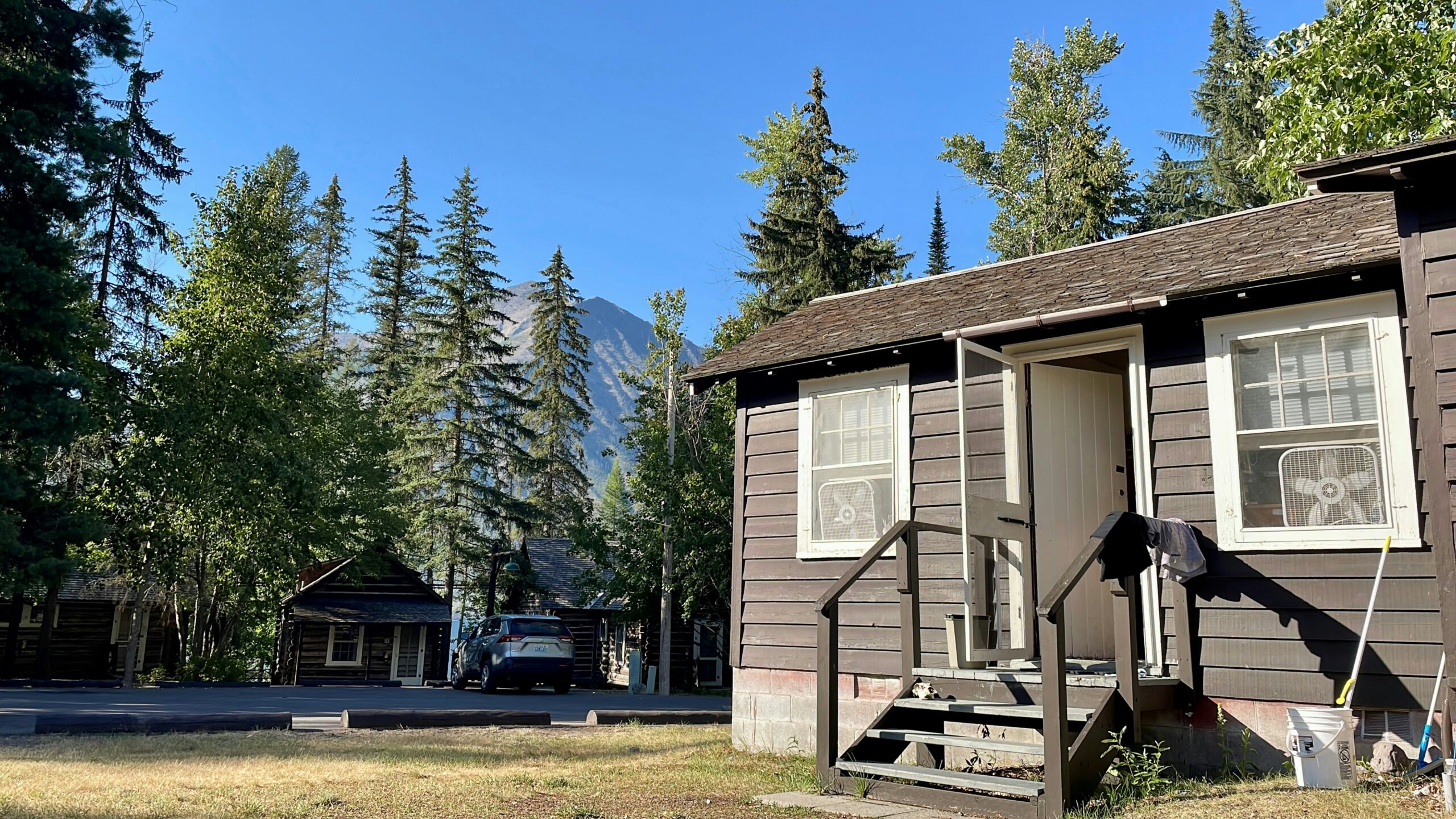
Montana has developed into a genuinely compelling fix and flip market over the past several years. Fast-growing metros like Bozeman and Missoula, stable markets like Billings and Great Falls, and smaller towns where older housing stock meets constrained new supply all create real value-add potential. Lifestyle-driven in-migration, tight inventory, and solid demand for well-renovated 1–4 unit properties give investors a meaningful tailwind.
The trade-off is a permitting and contractor registration system that looks light at the state level but becomes very real once you’re working inside city limits — combined with cold-climate construction requirements that shape scopes and inspection outcomes more than most out-of-state investors anticipate. Here’s what to understand before you start.
Key Things to Know Before You Start
State permit exemptions don’t mean no permits. Montana’s Building Codes Program exempts residential buildings with fewer than five units from state building permits in state jurisdiction. That exemption trips up investors who read it as “no permit required.” Once you’re working inside city limits — Bozeman, Helena, Missoula, Great Falls, Butte-Silver Bow — local building departments issue their own residential permits under the International Residential Code with local amendments. The state exemption and the local requirement are separate things entirely.
Local building departments expect permits for most meaningful residential work. Under the IRC as adopted in local codes, permits are required when you construct, enlarge, alter, repair, move, or demolish a residential building, or change its occupancy. Bozeman’s residential alteration checklist, for example, applies to remodels of existing homes and calls for construction documents, structural calculations, and fixture counts. Finishing basements, adding bedrooms, moving walls, and re-roofing are squarely in permit territory in most Montana cities. The list of genuinely exempt work is short.
Montana uses contractor registration and independent contractor certification rather than a traditional GC license. Construction contractors with employees must register with the Department of Labor and Industry and carry workers’ compensation coverage. Independent contractors must obtain an Independent Contractor Exemption Certificate by demonstrating through a point-based review — using documents like insurance certificates, tool and equipment lists, tax records, business bank statements, and entity documents — that they operate as established businesses. Working without proper registration carries fines of $500 per instance, and unlicensed electrical or plumbing work can bring criminal penalties.
Investors who flip repeatedly are treated as contractors, not private owners. Montana guidance is explicit that owners who build or remodel property for resale or speculation are expected to register and hold the appropriate license or exemption. A one-off personal renovation is treated differently than running multiple flips. If you’re doing more than one project, assume the contractor registration requirements apply to you.
Cold-climate construction details directly affect your inspection outcomes and budget. Snow loads, wind, frost depth, and thermal performance all influence how foundations, roofs, windows, and walls need to be detailed and inspected throughout Montana. Under-scoped envelope and structural work in a state with heavy snowfall and long winters is one of the most consistent ways investors blow their budgets mid-project. These aren’t optional line items — they’re what inspectors are looking for.
Hard money is available but conservative on ARV and deal size. Montana-focused lenders commonly set minimum ARVs around $100,000 and cap loan-to-ARV at around 75 percent. Experience drives how much of the purchase price gets funded upfront — first-time flippers typically see around 80 percent, while investors with 10-plus completed flips can reach 90 percent. Very low-priced or remote rural properties often fall outside institutional hard money parameters entirely, pushing those deals toward private capital.
Borrower profile and reserves are part of the underwriting story. Most Montana hard money programs require a borrowing entity, minimum FICO scores around 680, and documented cash reserves covering closing costs plus roughly 25 percent of the renovation budget. Loans typically run 12-month interest-only terms, extendable to 18 to 24 months for heavier rehabs, and are generally full-recourse with personal guarantees required.
Permits, Inspections, and Timelines
At the state level, the Building Codes Program’s residential exemption means most 1–4 unit flips don’t require a state building permit. But in practice, you’ll be dealing entirely with your local building department — Bozeman, Helena, Missoula County, Great Falls, Butte-Silver Bow — for residential projects. These cities have been certified to issue and enforce their own permits under the IRC, and they take that responsibility seriously.
Standard inspection sequences cover footing and foundation, framing and rough-in for mechanical, electrical, and plumbing, insulation and air barrier, and final — with additional visits for specialty scopes like pools or structural retaining walls. Inspectors pay particular attention to snow load design, frost-protected foundations, egress windows, energy compliance details, and life-safety systems. These aren’t perfunctory checks; they reflect genuine cold-climate construction standards that Montana jurisdictions enforce consistently.
Timelines vary by city and season. Winter conditions, limited inspector availability, and high permit volume in growth markets like Bozeman and Missoula can stretch both review and inspection windows in ways that aren’t immediately obvious when you’re planning from out of state. Building schedule buffer into loan term assumptions is standard practice for experienced Montana investors.
Partnering with a draw-friendly lender, like the ones found on Lenderly, ensures you have access to secure and timely remote virtual inspections, effectively eliminating many of these issues.
Working With Contractors
Montana’s system revolves around contractor registration and the Independent Contractor Exemption Certificate rather than a traditional GC license. The practical implication for investors is that vetting contractors means verifying registration status and exemption certificates, not just asking whether someone has a state license.
Before signing with any contractor, confirm that GCs and key trades are properly registered, insured, and — for electrical and plumbing specifically — licensed through the appropriate state board. Unlicensed electrical and plumbing work is a misdemeanor in Montana, and insurers, appraisers, and buyers are understandably wary of projects where critical systems weren’t installed and inspected by licensed trades.
Prefer contractors who are familiar with the specific local building department’s expectations and have a track record of passing inspections in that city. Use milestone-based payment schedules tied to passed inspections — foundation, framing and rough-in, insulation, and final — rather than calendar dates. In a market with significant winter delays, calendar-based draws create the wrong incentives.
Financing Your Project
Montana’s fix and flip financing landscape includes national and regional hard money lenders with programs generally starting around $25,000 and extending into the $1 to $2 million range, with minimum ARVs around $100,000. Loan amounts are typically capped at 75 percent of after-repair value, with experience determining the purchase price advance rate. Standard terms run 12 months with extension options to 18 to 24 months, extension fees in the low single-digit percentage range, and no prepayment penalties — so faster flips aren’t penalized.
Underwriting requires a borrowing entity, minimum credit scores around 680 with limited exceptions, and documented liquidity covering closing costs plus roughly 25 percent of the renovation budget. Minimum square footage thresholds apply — often around 700 square feet for single-family and 500 square feet per unit for multifamily. Draws are released against inspection milestones or strong photographic documentation of progress.
Investors who submit Montana-specific scopes that account for snow loads, insulation requirements, window and roof upgrades, and cold-climate mechanical performance tend to have noticeably easier underwriting conversations than those who come in with generic cosmetic-only budgets. Lenders here have seen enough cold-weather projects go sideways to know what questions to ask.
Common Mistakes to Avoid
Confusing the state permit exemption with a blanket no-permit situation is the most common and most avoidable mistake in Montana. Investors who act on that misreading and skip local permits find themselves with inspection and resale problems that are entirely self-inflicted.
Treating Montana flips like mild-climate rehabs — under-designing roofs, skimping on insulation, and leaving air-sealing incomplete — leads to failed inspections and buyer concerns that are expensive to address after finishes are in place. Acting as an unregistered contractor on multiple speculative projects exposes investors to fines, insurance gaps, and permit complications that proper registration would have prevented entirely.
Using unlicensed trades for electrical and plumbing carries legal risk that no margin justifies. Pursuing tiny, ultra-rural flips that don’t meet minimum ARV and liquidity requirements for institutional hard money leaves investors scrambling for capital mid-project. And planning timelines without meaningful winter and inspection buffer — stacking aggressive 12-month terms against optimistic permit and construction assumptions — is a reliable way to end up paying extension fees or rushing finish quality to meet deadlines.
The Bottom Line
Montana’s growth markets, constrained housing supply, and cold-climate construction environment create a compelling but nuanced opportunity for fix and flip investors. The investors who navigate it well tend to be those who understand the split between state and local permitting, respect contractor registration and trade licensing requirements, and design scopes that account for snow loads, energy performance, and life-safety from the start.
Before you commit, confirm whether your target property falls under city or state jurisdiction, verify local permit triggers and submittal requirements, and vet contractors for proper registration and licensing. With realistic winter-sensitive schedules, Montana-appropriate scopes, and financing that matches local hard money norms, Montana can deliver solid, repeatable returns without requiring best-case assumptions to make the numbers work.