
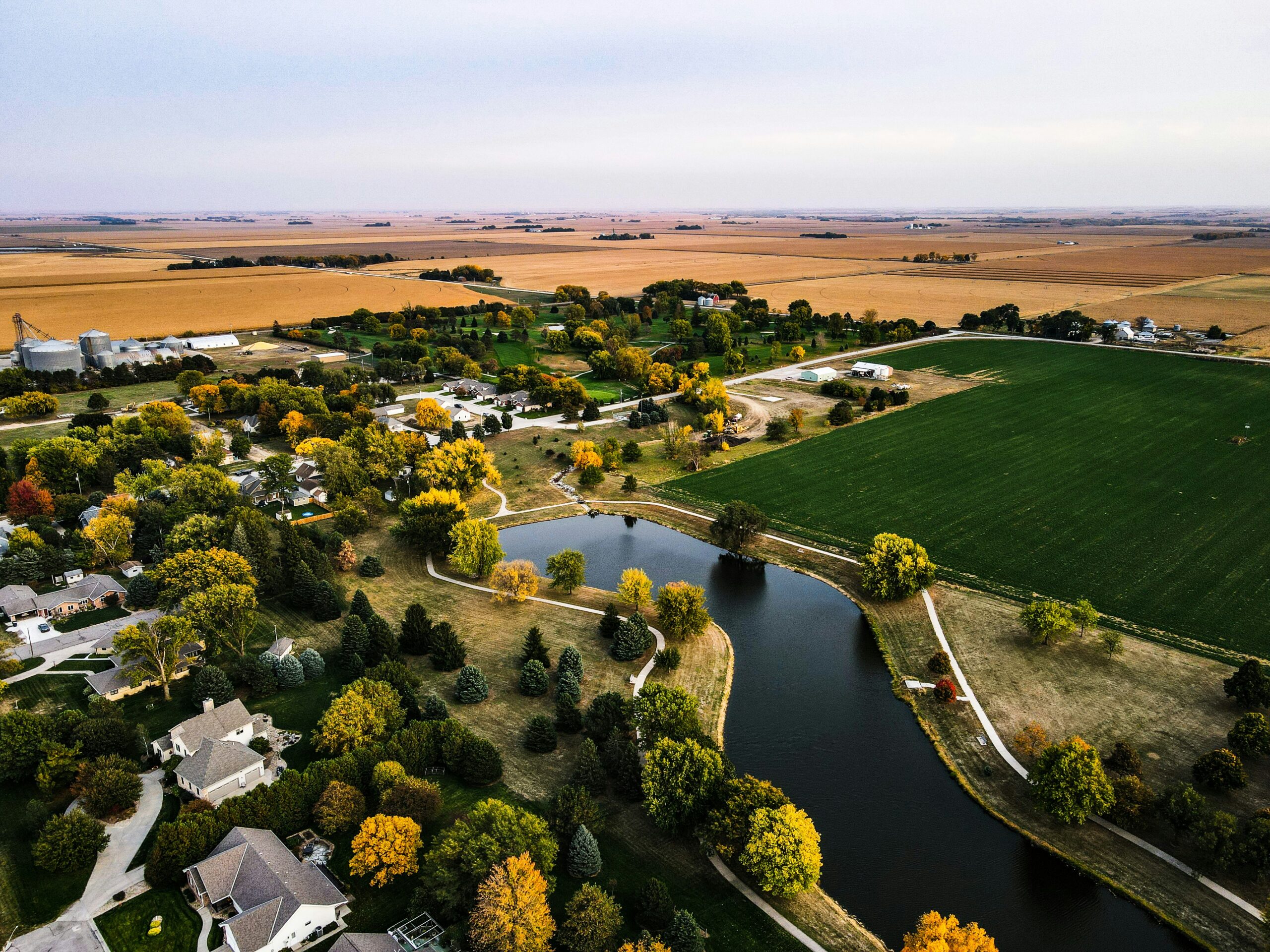
Nebraska doesn’t generate a lot of investor buzz, but the fundamentals are quietly solid. Omaha and Lincoln offer stable metro demand, regional hubs like Grand Island and Kearney provide accessible deal flow, and smaller towns throughout the state have older housing stock with real value-add potential at low acquisition costs. Without the price swings of coastal markets, Nebraska offers a straightforward case for cosmetic and structural rehabs on 1–4 unit properties.
The trade-off is a contractor environment that mixes statewide registration with county and city-level licensing classes — a system that investors who assume “light regulation” sometimes underestimate until it creates problems mid-project. Here’s what to understand before you start.
Key Things to Know Before You Start
All contractors must register with the state — with very limited exceptions. The Nebraska Contractor Registration Act requires any contractor performing construction work in the state to register with the Department of Labor before working. This covers general contractors, subcontractors, and investor-operators who act as their own GC, whether based in Nebraska or out of state. Small handyman businesses earning under $5,000 annually and certain low-population areas may qualify for exemptions, but registration requirements apply broadly enough that assuming you’re exempt is a risky starting point.
Licensing is local, not statewide. Nebraska doesn’t issue a single statewide general contractor license. Counties and cities set their own licensing requirements, including which contractor classes they recognize and what insurance and bonding levels they require. Contractors working in Lancaster County need to go through the City of Lincoln’s Department of Building and Safety, which maintains its own licensing categories for electrical, plumbing, and HVAC trades.
Major metros use a tiered contractor class system with insurance requirements to match. Contractor classes in Nebraska range from Class A — covering all structures including high-rise — down to Class E, which covers roofing, siding, windows, and decks. Class C focuses on homes and duplexes; Class D covers residential remodeling. Insurance minimums scale accordingly, from $1 million in liability for Class A and B down to $300,000 for Class D and E, with all classes posting bonds of roughly $10,000. Investors hiring contractors need to confirm that the contractor’s class and coverage actually match the project scope — using a Class E firm as the de facto GC on a full interior gut creates permit and inspection problems.
Electrical, plumbing, and mechanical trades have additional licensing requirements. Electrical licensing runs through the Nebraska State Electrical Division at the state level. Plumbing and mechanical licensing are often managed by counties or cities, with journeyman and master plumbers in many jurisdictions required to pass exams and maintain $1 million liability policies and bonds up to $10,000. Using unlicensed trades for electrical or plumbing work creates inspection, insurance, and financing problems that are entirely avoidable with basic upfront verification.
Local codes apply even where enforcement is thin. Nebraska’s Department of Economic Development publishes minimum rehabilitation standards that reference current International Code Council standards and require work to comply with local permitting and inspection requirements. In jurisdictions without robust building departments, programs are expected to bring in qualified inspectors and document compliance. Investors who rely on “nobody checks here” as a strategy tend to find that appraisers, buyers, and lenders still probe for code and safety issues at resale.
Hard money leverage is ARV-driven, with meaningful rural discounts. Nebraska-focused fix and flip lenders typically size loans based on purchase price, rehab budget, and ARV, with minimum loan amounts around $25,000, maximums around $2 million, and minimum ARVs of roughly $100,000. Loan-to-ARV is generally capped at around 75 percent, adjusted by experience — newer investors typically start at 70 percent for light rehabs while experienced operators can reach 75 percent. Rural Nebraska flips often see advance rate reductions of around 20 percent, and extensive rehabs may face lower LTARV caps. These aren’t negotiable details; they’re structural features of how lenders price risk in this market.
Entity structure, credit, and liquidity are part of every deal. Most Nebraska hard money programs require a borrowing entity, minimum FICO scores around 680, and documented cash reserves covering closing costs plus roughly 25 percent of the rehab budget. Experience drives leverage tiers — first-time flippers typically start at 80 percent of purchase price while investors with 10-plus completed projects can reach 90 percent. These norms reward operators who come in with capital and a track record.
Permits, Inspections, and Timelines
Permitting runs through city or county building departments, with local jurisdictions adopting and enforcing their own building codes, permit applications, fee schedules, and inspection sequences. Permits are generally required for new construction, additions, structural changes, significant re-roofing, and major electrical, plumbing, and mechanical work. Cosmetic interior work is sometimes exempt — but once you move walls, alter load paths, or modify systems, you’re typically in permit territory regardless of how the project was originally scoped.
Nebraska’s minimum rehabilitation standards call for initial, progress, and final inspections with documentation proving code compliance throughout. That framework echoes what lenders and appraisers expect on privately financed flips as well — evidence that the rehab was properly inspected and code-compliant. In jurisdictions without robust building departments, investors may still need to engage qualified inspectors to create that documentation.
Timelines differ between Omaha and Lincoln and smaller cities. Larger metros with more development activity may have longer plan review and inspection queues during peak building seasons. Smaller jurisdictions often offer faster review but limited inspection windows and fewer inspectors available. Building schedule buffer into loan term assumptions — and avoiding the trap of modeling timelines on best-case permitting scenarios — is standard practice for experienced Nebraska investors.
Partnering with a draw-friendly lender, like the ones found on Lenderly, ensures you have access to secure and timely remote virtual inspections, effectively eliminating many of these issues.
Working With Contractors
Nebraska’s contractor system layers local licensing on top of statewide registration. Under the Contractor Registration Act, anyone performing construction work must register with the Department of Labor, providing business details, employee information, and proof of workers’ compensation coverage or an exemption. Out-of-state contractors are treated the same as local firms — there’s no pass for operators based elsewhere.
In cities like Lincoln, contractors must also secure local licenses for specific categories with defined insurance and bonding requirements. For investors, confirming contractor credentials means two separate checks: state registration with the Department of Labor, and local licensing in the specific city or county where you’re working. Subcontractors for electrical, plumbing, HVAC, and roofing need their own verification — the class system applies to them too.
Milestone-based payment schedules tied to inspections and completion of major line items are standard. Because Nebraska includes both metro and rural markets with genuinely different enforcement environments, checking recent local references in the same jurisdiction and on similarly scoped projects matters more here than in states with more uniform oversight.
Financing Your Project
Nebraska’s hard money market is active, with programs targeting 1–4 unit residential properties, small multifamily, and some mixed-use projects. Minimum loan amounts typically start around $25,000 with maximums up to $2 million, minimum ARVs around $100,000, and standard 12-month interest-only terms with extension options to 18 to 24 months. Extension fees run roughly 1 percent for three months or 2.5 percent for six months, and most programs carry no prepayment penalty.
Rehab costs are commonly funded at 100 percent via a construction holdback, released in draws with fast turnaround based on inspections or photo documentation. Maximum loan-to-ARV caps at roughly 75 percent, with adjustments downward for heavier rehabs, rural locations, and less experienced borrowers. Down payment minimums on lower-priced properties may start around $10,000, with percentage-based requirements scaling with ARV and experience tier.
The underwriting requirements are consistent across lenders: LLC or corporation required, minimum 680 FICO with limited exceptions, and verified liquidity covering closing costs plus roughly 25 percent of the rehab budget. Rural deals and complex construction scopes face reduced advance rates that need to be factored into deal modeling before you’re under contract — not after.
Common Mistakes to Avoid
Skipping contractor registration and local licensing checks is the most operationally disruptive mistake in Nebraska. Discovering mid-project that your GC isn’t properly registered or doesn’t hold the right local license class can stall permits, inspections, and draw releases in ways that are difficult to recover from on a short-term loan. Using a contractor whose class doesn’t match the project scope — running a full interior gut under a Class E roofing and siding license, for example — creates permit refusals that require bringing in a properly classified contractor to take over.
Assuming lax local enforcement means code compliance doesn’t matter is a consistent mistake in rural markets. Nebraska’s minimum rehab standards and lender expectations are anchored to current codes regardless of how actively a particular county enforces them. Shortcuts on structure, electrical, or life-safety show up in appraisals, buyer inspections, and insurance underwriting at resale.
Over-leveraging on low-ARV or rural projects that don’t meet minimum thresholds, under-estimating the documentation needs for initial, progress, and final inspections, and bringing generic cosmetic-only budgets to lenders for properties that clearly need roof, mechanical, or structural work — these are the consistent ways Nebraska investors create problems that could have been avoided with more thorough upfront planning.
The Bottom Line
Nebraska offers accessible entry prices, stable metro demand, and genuine value-add potential for investors who approach it with the right level of preparation. The contractor registration system, local licensing classes, and ARV-driven financing norms are all manageable — they just need to be understood and planned around rather than discovered mid-project.
Confirm contractor registration and local license classes before you start, talk with local building officials about permit expectations in your target jurisdiction, and stress-test your deals against conservative ARV assumptions and rural advance rate adjustments. With those pieces in place, Nebraska can be a steady, repeatable fix and flip market that delivers consistent returns without requiring aggressive assumptions to make the numbers work.