
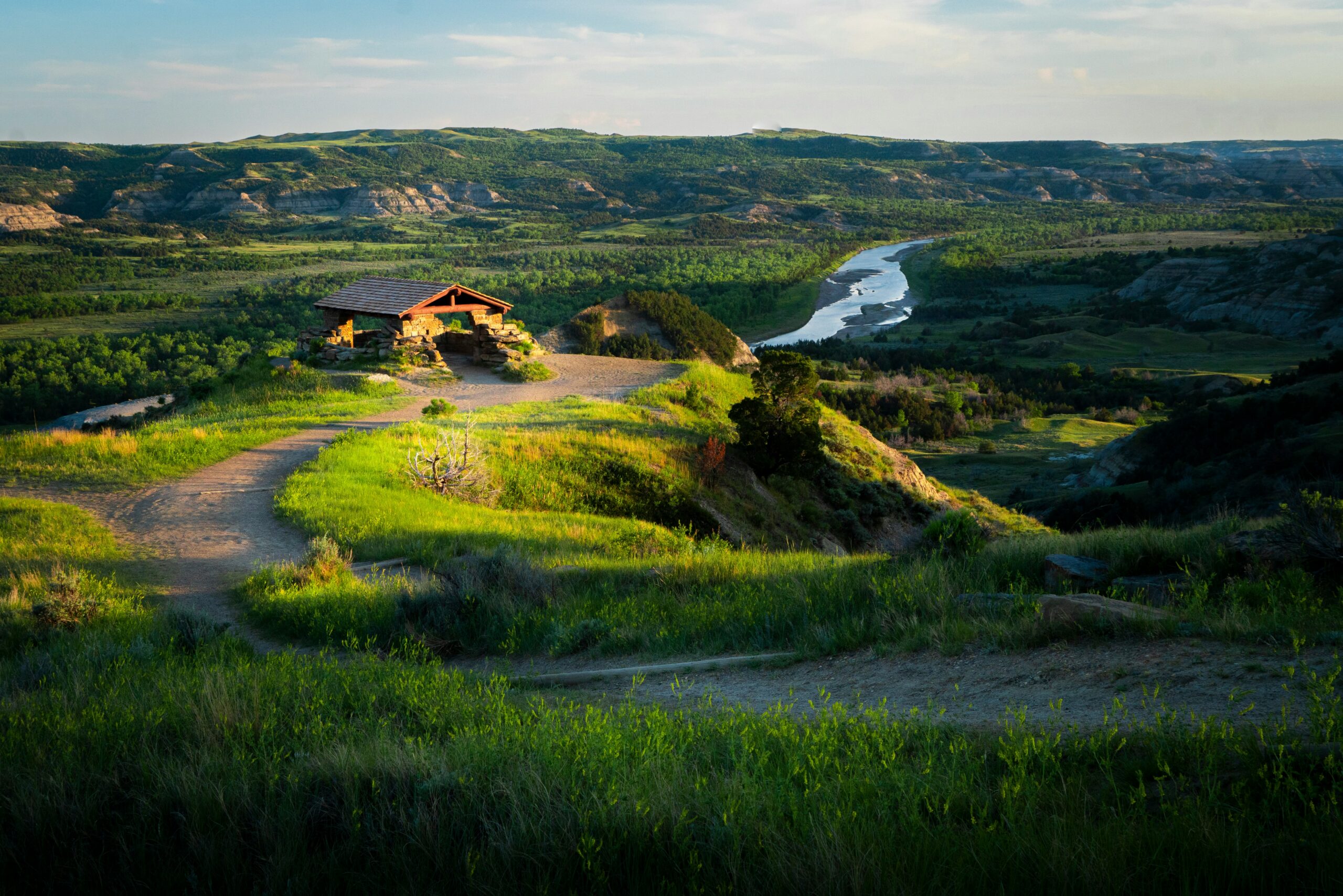
North Dakota doesn’t generate much investor buzz, but for the right operator it offers a straightforward value proposition: reasonable entry prices, stable rental demand in key hubs like Fargo and Bismarck, energy-influenced markets in the west, and older affordable housing stock with genuine value-add potential. Competition is lower than in higher-profile markets, and the fundamentals are durable.
The trade-off is a state with a real contractor licensing threshold that kicks in at a surprisingly low dollar amount, local building departments that expect permits for most meaningful work, and hard money programs that cap leverage tightly against ARV and test for profitability explicitly. Investors who treat North Dakota as informal tend to find out otherwise. Here’s what to plan around.
Key Things to Know Before You Start
State contractor licenses are required for projects over $4,000. North Dakota law requires any contractor engaged in construction activities — building, repairing, altering, or demolishing structures — to obtain a state contractor license if the project is valued above $4,000. This applies to general contractors, subcontractors, and specialty contractors including electricians, plumbers, and roofers. For investors, that threshold means virtually every real rehab project must involve a licensed contractor. The handyman exception is narrow and doesn’t apply to meaningful renovation work.
Licenses are classified by project size, and the class limits matter. North Dakota issues contractor licenses in four classes: Class A for projects over $500,000, Class B up to $500,000, Class C up to $300,000, and Class D up to $100,000 per project. The class limit needs to comfortably cover the full project value including potential change orders — hiring a Class D contractor for a $200,000 rehab isn’t just a technicality, it’s a violation that creates regulatory, insurance, and liability exposure.
Business registration and insurance are part of contractor licensing. Before applying for a contractor license, businesses must register with the North Dakota Secretary of State. Contractors must also provide evidence of general liability insurance and workers’ compensation coverage, or a letter of good standing from Workforce Safety and Insurance if they have no employees. Treating business registration and insurance verification as standard contractor vetting — not optional due diligence — is how experienced North Dakota investors protect themselves.
Local permits are required for most structural and system work. A statewide permit guide is consistent on this: new residential construction, additions and major renovations, electrical, mechanical, and plumbing work, demolition, accessory structures, and roofing and siding replacements in many jurisdictions all require permits. West Fargo’s building code FAQs add finished basements, door and window replacements where sizes change, interior renovations with structural modifications, all HVAC systems, and swimming pools to that list. Minor cosmetic work may be exempt, but typical fix and flip scopes are not.
Hard money leverage is ARV-driven and subject to explicit profitability tests. North Dakota programs commonly set minimum loan amounts around $25,000, maximum $2 million, minimum ARV of $100,000, and maximum loan-to-ARV of up to 75 percent adjusted for experience. Newer investors may qualify for 70 percent LTARV on lighter rehabs, while experienced flippers can reach 75 percent on moderate projects. That ARV cap constrains total leverage regardless of what purchase and rehab percentages a program advertises.
Profit and exit requirements are explicitly built into underwriting. Programs typically require a minimum 30 percent ROI and at least $15,000 profit on sale for flip scenarios, with a DSCR target of 1.1 or above for refinance exits. Minimum FICO scores run around 680, loans must be made to LLCs or corporations, and cash reserves covering closing costs plus 25 percent of the rehab budget are required. Experience drives advance tiers — new investors typically start at 80 percent advances while those with 10-plus completed projects can reach 90 percent.
Permits, Inspections, and Timelines
North Dakota’s permit process is governed locally but follows consistent themes across jurisdictions. Most structural and mechanical work requires a permit — new construction, additions, major renovations, electrical, mechanical, plumbing, demolition, accessory structures like garages and decks, and roofing and siding replacements in most jurisdictions. Cosmetic work like paint and flooring may be exempt, but investors should confirm with the local Authority Having Jurisdiction rather than assuming.
The standard process involves confirming permit requirements with the local building department, preparing plans and documentation, submitting the application, undergoing plan review for zoning and code compliance, paying fees, receiving the permit for posting on-site, and scheduling inspections at key milestones — foundation, framing, rough-in for mechanical, electrical, and plumbing, and final.
Timelines vary by jurisdiction size and workload. Larger markets like Fargo and West Fargo have more review capacity but also higher volume. Smaller towns may move faster on simpler projects but have fewer inspectors and limited inspection windows. Most investors budget several weeks from complete application to permit issuance and build in additional buffer for re-inspections and seasonal backlogs — a realistic practice regardless of how the front-end review moves.
Partnering with a draw-friendly lender, like the ones found on Lenderly, ensures you have access to secure and timely remote virtual inspections, effectively eliminating many of these issues.
Working With Contractors
Contractor licensing in North Dakota runs through the Secretary of State, and the $4,000 project threshold means the requirement applies to virtually every meaningful rehab. License class limits — Class A through D, covering project sizes from $100,000 up to over $500,000 — need to match the actual scope of work, not just the general category of residential contractor.
Before signing with any GC or subcontractor, verify that they hold an appropriate North Dakota contractor license with a class limit that covers your full project size. Confirm current general liability and workers’ comp coverage and request certificates that match the contracting entity. For older homes, check that specialty certifications like lead-based paint contractor credentials are in place where applicable.
Milestone-based payment schedules tied to passed inspections are standard. Using unlicensed or under-licensed contractors on projects over $4,000 creates enforcement risk and complicates permits, inspections, and insurance coverage in ways that are entirely avoidable with basic upfront verification.
Financing Your Project
North Dakota’s hard money market is smaller than coastal states but follows the same structural patterns. Programs offer minimum loan amounts around $25,000 and maximums up to $2 million, with loans over $1 million typically requiring three or more years of experience and strong comparable sales support. Minimum ARVs sit around $100,000, and loan-to-ARV is capped at 75 percent with experience-based adjustments.
Up to 100 percent of rehab costs can be financed through the construction holdback. Purchase funding runs up to 80 percent for newer investors and 90 percent for experienced operators with strong track records. All loans require LLC or corporation borrowing entities, minimum 680 FICO with limited exceptions, and documented liquidity covering closing costs plus 25 percent of the rehab budget.
The profitability and exit tests are built into underwriting and aren’t negotiable: 30 percent minimum ROI and $15,000 minimum profit on flips, DSCR of 1.1 or above for refinance exits. Rural projects trigger a roughly 20 percent reduction in initial advance rates, and heavy rehabs are typically capped at 70 percent LTARV or 85 to 90 percent loan-to-full-cost. Deals that only pencil in rural areas or with heavy scopes need particularly strong ARV support to qualify for institutional hard money — otherwise private capital is the more realistic funding source.
Common Mistakes to Avoid
Ignoring the $4,000 licensing threshold is the most consistent compliance mistake in North Dakota. Investors who use unlicensed operators on substantial rehabs — assuming the threshold doesn’t really apply or won’t be enforced — create enforcement exposure, permit complications, and insurance coverage gaps that are entirely predictable and entirely avoidable.
Using contractors whose license class is too low for the actual project value creates the same category of problem with the added risk of regulatory scrutiny if something goes wrong. Skipping permits on interior or mechanical work that feels routine — finished basements, HVAC replacements, door and window size changes — surfaces at buyer inspection or appraisal in ways that require expensive remedial work or price reductions.
Over-leveraging rural or heavy rehab projects that don’t meet the program’s explicit advance rate adjustments and profitability tests is the most consistent financing mistake. Modeling returns solely on paper without aligning them to lender requirements for ROI, minimum profit, and DSCR means discovering deal-killing gaps at the underwriting stage rather than before you’re under contract.
The Bottom Line
North Dakota offers steady, repeatable fix and flip opportunity — particularly in Fargo, Bismarck, and regional hubs where older housing stock and stable demand create genuine value-add potential. The contractor licensing requirements, local permit expectations, and conservative hard money norms are all manageable with the right preparation.
Verify contractor licenses and class limits through the Secretary of State before you commit, confirm permit requirements with local building officials for your specific scope, and ensure your total cost, ARV, and projected profit align with lender guidelines rather than just spreadsheet math. With that discipline in place, North Dakota delivers financeable, predictable returns for investors who approach it prepared.