
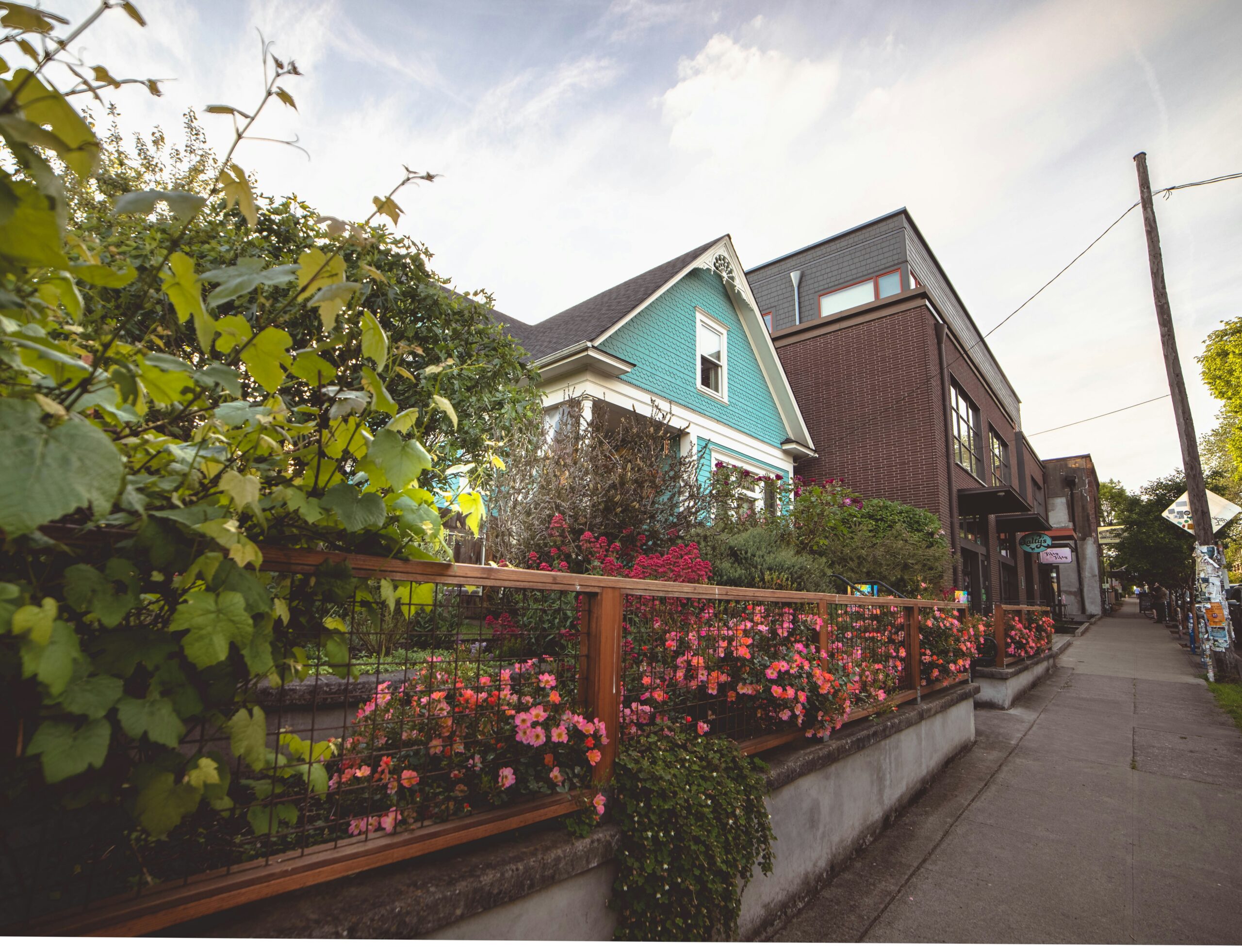
Oregon offers genuine fix and flip opportunity across a range of markets. Portland, Salem, Eugene, and Bend anchor strong metro demand, and coastal and small-town markets where older 1–4 unit housing stock is in short supply create consistent room for value-add through thoughtful upgrades and compliant living space additions. The fundamentals are solid.
The trade-off is a state with one of the more comprehensive statewide contractor licensing regimes in the country, widely enforced residential permit rules, and hard money programs that cap leverage at 70 to 75 percent of ARV and explicitly reward investors who build strong, licensed local teams. Here’s what to understand before you start.
Key Things to Know Before You Start
A CCB license is required for virtually all construction work — including handyman services. The Oregon Construction Contractors Board requires anyone working for compensation in any construction activity involving improvements to real property to hold a CCB license. The list of covered work is exhaustive: roofing, siding, painting, carpentry, floor covering, concrete, HVAC, electrical, plumbing, tree servicing, home inspection, repair of attached appliances, manufactured dwelling installation, land development, and handyman services. Investors acting as their own GC or using unlicensed operators for permitted work are out of compliance — there’s no meaningful carve-out for small jobs or informal arrangements.
Getting licensed requires training, an exam, bonding, and insurance. To become a licensed residential contractor in Oregon, an individual or business must complete 16 hours of pre-license training on law and business practices, pass the Oregon CCB exam, register a business with the Oregon Secretary of State, purchase a surety bond — $25,000 for residential general contractors, $15,000 to $20,000 for other residential categories — and obtain general liability insurance meeting CCB requirements. Each business entity needs its own license. A Responsible Managing Individual who meets the exam and experience requirements must be designated and cannot simultaneously serve as RMI on another license.
Oregon’s Residential Specialty Code requires permits for most meaningful remodels. The code’s core rule: a permit is required to construct, enlarge, alter, repair, move, or demolish a building, and to install regulated electrical, gas, mechanical, or plumbing systems. The practical test is straightforward — if the work affects structure, creates habitable space, changes openings, or touches electrical, plumbing, or mechanical systems, plan on permits and inspections. Cosmetic work like paint and floor refinishing may be exempt, but most fix and flip scopes cross into permit territory at some point.
Local jurisdictions implement state code with detailed permit and no-permit lists. Portland’s residential permit guidance lists permit-required work including additions, attic and garage and basement conversions to habitable space, new or enlarged openings, tall decks and stairs, larger retaining walls, and major site grading. The no-permit list covers repainting, insulation, storm windows, same-size window and door replacements, same-weight reroofs outside special cases, gutters, low decks, and small sheds. Salem and other cities follow similar patterns. Critically, even exempt work must still meet code and zoning — the no-permit list isn’t a no-rules list.
Oregon’s climate and wildfire rules shape exterior scopes in meaningful ways. Portland requires permits for reroofing dwellings in Wildfire Zones, townhouses, and properties with building-integrated photovoltaic roof coverings. Wet winters throughout the state drive moisture and rot concerns that affect how roof, siding, window, and deck assemblies need to be detailed. Investors who treat exterior work as purely cosmetic encounter inspection failures, higher insurance costs, and premature maintenance issues that affect resale.
Hard money is widely available but capped at 70 to 75 percent of ARV. Oregon fix and flip programs can finance up to 90 to 95 percent of total project costs, but maximum exposure is capped at roughly 70 to 75 percent of after-repair value. That structure leaves a 25 to 30 percent equity cushion regardless of how the purchase and rehab percentages are marketed. Deals need to work within that constraint — not just on the LTC side.
Licensed local team members directly improve your leverage terms. Oregon’s lending environment makes this unusually explicit. One program’s adjustment matrix shows that credit scores below 720 reduce leverage by 5 percent, full gut rehabs reduce it by 5 percent, and entering a new Oregon market reduces it by another 5 percent. On the positive side, having a licensed Oregon Realtor adds up to 5 percent, a licensed Oregon GC adds up to 10 percent, and a licensed Oregon Professional Engineer adds up to 10 percent. Building a credentialed local team isn’t just good practice — it’s a financing lever.
Permits, Inspections, and Timelines
Oregon law requires local permits for a wide range of residential installations, alterations, and construction. The Building Codes Division’s guidance is consistent across jurisdictions: permits are required for all new construction and specific alterations to existing homes including structural, plumbing, mechanical, and electrical changes. Permit-required structural work includes adding a room, building or moving a carport or garage or shed over 200 square feet, adding or moving or removing walls, finishing an attic or garage or basement to create living space, cutting new window or door openings or changing opening dimensions, and applying roofing when all old roofing is removed and new sheathing is installed.
The exemption list is narrowly defined, and even exempt work must meet code and zoning. Portland’s tree code applies even when a building permit isn’t required. Stormwater and zoning rules can create separate permit requirements independent of the building permit question. Investors who treat the no-permit list as a no-rules list discover these requirements at inconvenient moments.
Standard inspection sequences cover foundation, framing and rough-in for electrical, plumbing, and mechanical, insulation and air barrier, and final — with additional inspections for reroofing in certain zones, solar, and retaining walls. In busy jurisdictions like Portland, investors typically plan for at least several weeks from complete submittal to permit issuance, plus buffer for corrections and re-inspections. Timelines vary by local workload and project complexity, and modeling best-case permit timelines without buffer consistently creates schedule pressure on short-term loans.
Partnering with a draw-friendly lender, like the ones found on Lenderly, ensures you have access to secure and timely remote virtual inspections, effectively eliminating many of these issues.
Working With Contractors
Oregon’s CCB licensing requirement applies to virtually all construction work for compensation — there’s no meaningful handyman exemption for the kinds of work that show up in fix and flip projects. Verifying CCB license status, bond amount, insurance coverage, and the Responsible Managing Individual for each contractor isn’t optional due diligence — it’s the baseline for operating in this market.
Electricians, plumbers, and other specialty trades must hold both CCB licenses for bonding and insurance purposes and the appropriate Building Codes Division trade licenses. Verifying both layers before signing with any specialty contractor is the standard practice among experienced Oregon investors.
Require contractors to pull permits for the scopes they control and tie payments to passed inspections and documented milestones rather than calendar dates. In a state where licensing is comprehensive and enforced, the documentation trail from CCB license verification through permit and inspection records provides meaningful protection at resale — and affects the leverage terms lenders will offer.
Financing Your Project
Oregon has an active hard money market with both local and national lenders serving Portland, Gresham, Eugene, Salem, and coastal cities. Programs fund non-owner-occupied single-family, multifamily, and commercial value-add projects with 12 to 24 month interest-only terms, appraisal or BPO-based ARVs, and rehab draws released on inspection or photographic evidence.
High loan-to-cost — up to 90 to 95 percent of project costs — is available for experienced borrowers with strong deals. Total exposure is capped at 70 to 75 percent of ARV across programs, leaving a 25 to 30 percent equity cushion as the binding constraint. Minimum credit scores typically start at 680 with preferences for 720 and above. The adjustment matrix for leverage — penalizing low credit, full gut rehabs, and new market entry while rewarding licensed Realtors, GCs, and engineers — is more explicit in Oregon than in most states and is worth understanding before you finalize your team.
All lending runs through entity structures — LLCs or corporations. Track record investing in Oregon specifically, and rehab experience over the past several years, both factor into how lenders tier advance rates. Investors who build teams with licensed Oregon GCs and Realtors and establish a local track record access meaningfully better terms than those who approach the state as a new market with generic teams.
Common Mistakes to Avoid
Using unlicensed contractors or handymen for license-required work is the most consequential compliance mistake in Oregon — and the CCB’s definition of license-required work is broader than investors from other states typically expect. Roofing, siding, painting, carpentry, and handyman services all require CCB licenses. Hiring unlicensed operators for permitted scopes creates enforcement risk, voided warranties, and lender and insurance complications that are entirely preventable.
Assuming small remodels don’t need permits — or misreading the no-permit list as a no-rules list — are closely related mistakes. The Residential Specialty Code’s permit triggers cover most of what investors do on a meaningful rehab, and even work that doesn’t require a building permit must still meet code, zoning, and potentially tree or stormwater requirements. Discovering those requirements at appraisal or buyer inspection is a painful and avoidable outcome.
Under-budgeting for Oregon’s wet climate and wildfire zone requirements on exterior assemblies, over-leveraging based on LTC marketing figures without confirming the 70 to 75 percent ARV cap governs total exposure, and failing to leverage licensed local professionals to capture the positive adjustments in lender matrices — these are the consistent ways Oregon investors leave both money and margin on the table.
The Bottom Line
Oregon is a strong and well-supported fix and flip market for investors who approach it prepared. Metro and small-town demand for updated homes is real, the hard money ecosystem is active, and the CCB licensing framework — while more comprehensive than most states — creates a consistent standard that protects serious operators.
Verify contractor licensing and bonds through the CCB before you commit to any project, review local permit and no-permit guidance for your specific target city, and align your rehab scope, ARV, and leverage with what Oregon lenders actually support. Build a team with licensed local professionals — the leverage improvement alone makes it worth the effort. With those pieces in place, Oregon delivers consistent, scalable returns for investors who do the work upfront.