
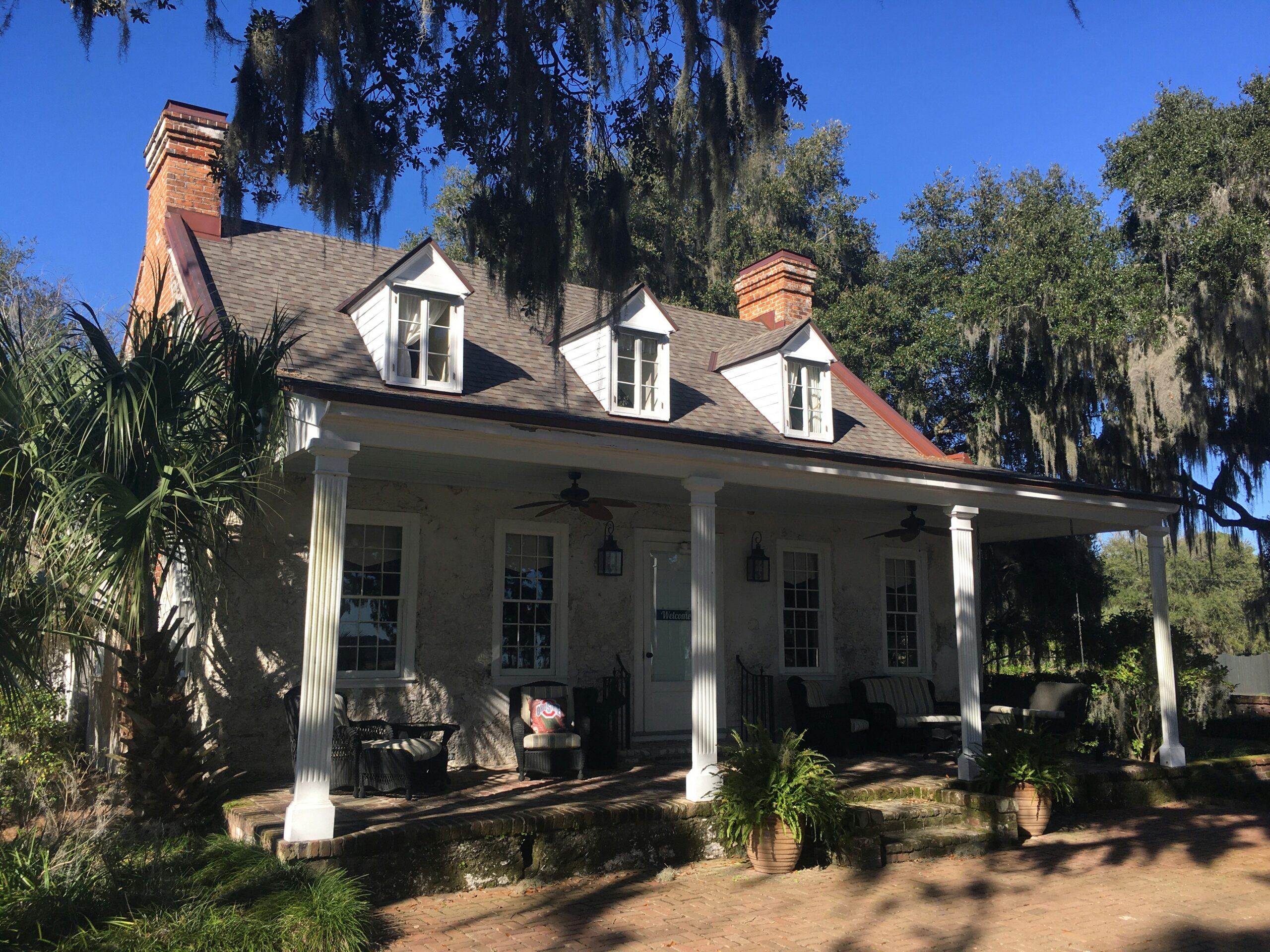
South Carolina has built a compelling case for fix and flip investors over the past several years. Charleston, Greenville, and Columbia anchor strong metro demand, coastal communities attract consistent buyer interest, and smaller towns throughout the state offer older 1–4 unit housing stock at price points that leave real room for margin on well-executed rehabs. Steady in-migration and strong rental demand support both flip and hold strategies across a range of markets.
The trade-off is a state with a true statewide residential builder and specialty contractor licensing regime, local permit rules that reach most structural and system work, and hard money programs that offer high loan-to-cost leverage while keeping total exposure anchored to conservative ARV caps. Here’s what to understand before you start.
Key Things to Know Before You Start
Residential builders and specialty contractors must be licensed — and the threshold is low. The South Carolina Residential Builders Commission licenses residential builders and registers specialty contractors for work on buildings of three floors or fewer and 16 units or fewer. A residential builder license is required for contracts exceeding $5,000. That threshold means virtually every real rehab or new build for resale triggers the licensing requirement. Assuming you can operate as an unlicensed GC on meaningful projects isn’t a viable approach here.
Getting a residential builder license requires experience, exams, and a surety bond. Applicants must have at least one year of Commission-approved experience under the supervision of a licensee, pass both the South Carolina Business and Law exam and the technical exam, submit a credit report, and obtain a $15,000 surety bond or provide a qualifying financial statement. The process is deliberate and takes time — investors planning to act as their own GC need to account for this well before they’re under contract.
Specialty contractors are separately registered and bonded. Residential specialty contractors — covering siding, floor covering, carpentry, insulation, masonry, stucco, roofing, drywall, painting, and solar panel installation — must register with the Residential Builders Commission, demonstrate at least one year of experience, and for work exceeding $5,000, purchase and file a $10,000 specialty contractor bond. Electrical, HVAC, and plumbing specialty licenses require additional PSI exams, employer experience letters, and separate bond requirements. Most meaningful fix and flip subcontractor work crosses the $5,000 threshold.
Investor-owned entities may need a Certificate of Authorization. For homebuilder business entities where a licensee doesn’t own at least 51 percent of the business, a Residential Business Certificate of Authorization is required from the Residential Builders Commission. Investor-owned LLCs acting as builders need to either ensure majority ownership by a licensee or obtain the appropriate certificate before proceeding.
Permits are broadly required for residential construction, additions, and meaningful rehabs. South Carolina permits are typically required for new construction, additions, structural modifications including moving or removing load-bearing walls, electrical, plumbing, and mechanical work, roof replacements and siding and window and door changes that affect structure or energy performance, decks and garages and accessory structures above certain size thresholds, and demolition or relocation of structures. Permit applications require contractor licensing proof from the Department of Labor, Licensing and Regulation — not just a business card.
SC Housing’s rehab standards set the quality benchmark even for private projects. SC Housing’s Rehabilitation Guidelines require compliance with current South Carolina building codes including the 2021 IRC, SC Housing accessibility requirements, and HUD Uniform Physical Condition Standards. They explicitly prohibit unlicensed or uninsured persons from working on any SC Housing-funded project. While private flips aren’t directly bound by these guidelines, they signal what sophisticated buyers and institutional lenders expect from quality rehab work in South Carolina.
Hard money can reach 100 percent of purchase and rehab costs — but total exposure is capped at 70 to 75 percent of ARV. Programs like Rehab Financial Group’s “100% Fix and Flip Premier” product fund 100 percent of purchase and rehab costs for investors with strong credit and income, up to 75 percent of ARV. OfferMarket’s South Carolina program similarly caps LTARV at 70 to 75 percent, with loan-to-full-cost tiers ranging from roughly 70 to 90 percent depending on rehab scope and borrower tier. The ARV cap is the binding constraint on total deal size regardless of how LTC percentages are marketed.
Rehab scope and borrower experience directly affect which leverage tiers you can access. Light rehabs with budgets under 25 percent of purchase price are eligible across all borrower tiers. Moderate, heavy, and extensive rehabs face tighter eligibility and lower ARV and cost caps. Extensive rehabs — budgets at or above 100 percent of purchase price — may be capped at 70 percent LTARV and are ineligible for lower experience tiers entirely. Credit score, licensed professionals on the team, and market familiarity all trigger positive or negative leverage adjustments.
Permits, Inspections, and Timelines
Building permits are administered by local jurisdictions under statewide codes. The scope of required permits covers new construction, additions, structural modifications, MEP work, roof replacements and exterior changes affecting structure or energy performance, accessory structures, and demolitions. Permit applications require completed local forms, construction drawings including site plan and floor plans and elevations and structural details, stamped engineering or architect plans for structural work, proof of contractor licensing, energy code compliance documents, and zoning approvals where applicable.
Standard inspection sequences cover foundation, framing and rough-in for electrical, plumbing, and mechanical, insulation, and final — with additional inspections for specific scopes. In fast-growing markets like Charleston and Greenville, backlogs and re-inspection delays can materially affect project schedules. Investors should plan for at least several weeks from complete submittal to permit issuance for substantial rehabs, plus buffer for corrections and re-inspections, and avoid structuring loan terms around best-case permit turnaround assumptions.
Partnering with a draw-friendly lender, like the ones found on Lenderly, ensures you have access to secure and timely remote virtual inspections, effectively eliminating many of these issues.
Working With Contractors
South Carolina’s Residential Builders Commission oversees licensing and registration for the full range of residential construction work on buildings up to three stories and 16 units. Before signing with any contractor, verify builder and specialty licenses with the Commission and confirm they’re current and in good standing. For specialty trade contractors — electricians, HVAC, plumbers — confirm the appropriate PSI exam credentials and bonding in addition to Commission registration.
Confirm that the license classification matches the actual scope of work, and verify that a Residential Business Certificate of Authorization is in place when the contracting entity requires one. Ensure contractors carry appropriate general liability and workers’ compensation insurance — SC Housing’s standards prohibiting unlicensed or uninsured persons from program-funded projects reflect the same expectations that private lenders and buyers increasingly apply.
Structure contracts with detailed scopes, clear change-order processes, and milestone-based payment schedules tied to passed inspections rather than calendar dates. In a state where licensing compliance directly affects permit eligibility and lender confidence, documentation that establishes who did what work under what credentials provides meaningful protection at resale.
Financing Your Project
South Carolina has an active hard money ecosystem with both national and regional lenders. Fix and flip loan rates typically run 10.5 to 11.25 percent interest-only, with origination fees of 1.5 to 2.99 percent and 12 to 24-month terms. DSCR rental loan rates run 6.5 to 7.99 percent with roughly 1 percent origination for investors planning long-term holds. Programs that advertise 100 percent financing are available for strong borrowers — one Charleston deal example shows a $485,500 loan covering 85 percent of purchase and 100 percent of a $75,000 rehab budget for an experienced borrower, funded 12 days after deal submission.
The ARV-based caps are the governing constraints across all programs. LTARV typically runs 70 to 75 percent depending on experience and rehab scope. Loan-to-full-cost runs up to 85 to 90 percent for lighter rehabs and drops meaningfully for heavy and extensive scopes. Extensive rehabs face the tightest caps and are ineligible for novice borrower tiers entirely.
All lending runs through entity structures. Minimum FICO thresholds typically start at 660 to 680, with better terms available above 700. Documented liquidity covering closing costs plus roughly 25 percent of the rehab budget is standard. Detailed rehab budgets and ARV supported by actual comparable sales are expected at underwriting. The presence of licensed Realtors, GCs, and professional engineers on the team triggers positive leverage adjustments in several programs — building a credentialed local team improves both project execution and financing terms.
Common Mistakes to Avoid
Acting as an unlicensed builder on projects over $5,000 is the most direct compliance mistake in South Carolina. The Residential Builders Commission threshold is low enough to capture virtually every meaningful rehab, and operating without proper licensing and bonding triggers enforcement risk, permit complications, and lending problems that are entirely avoidable.
Using unlicensed or uninsured contractors on any project where lenders or buyers will review documentation creates the same category of problem. SC Housing’s explicit prohibition on unlicensed and uninsured persons on program-funded projects reflects standards that private lenders and buyers increasingly apply to all projects — not just those receiving public funds.
Skipping permits on structural or system work, underestimating the rehab standards and useful-life expectations that sophisticated buyers and lenders have come to expect, and over-leveraging heavy or extensive rehabs that don’t qualify for the higher LTC tiers — these are the consistent ways South Carolina projects come up short at exit. And ignoring the experience and licensed professional adjustments in lender matrices — attempting extensive rehabs as a novice borrower without a credentialed team — often results in lower leverage or outright ineligibility for programs that could otherwise support the deal.
The Bottom Line
South Carolina offers strong and growing fix and flip opportunity, with in-migration-driven demand, accessible price points, and a range of markets from coastal to inland that support solid margins on well-executed rehabs. Investors who respect the Residential Builders Commission’s licensing and bonding requirements, treat permits and quality rehab standards as core planning constraints, and underwrite deals within realistic 70 to 75 percent ARV caps tend to build durable, scalable operations here.
Verify builder and specialty licenses before you commit to any contractor, confirm local permit and inspection expectations before you finalize your scope, and build your capital stack around actual South Carolina hard money norms rather than headline leverage figures. With that disciplined approach, South Carolina flips and small developments become repeatable, financeable, and resilient to the market variations that catch underprepared investors off guard.